
Implementing a knowledge partnership – Fijian and Australians joint insights into flood infrastructure to underpin the Nadi Flood Alleviation Project
Background to capacity building exchange
The impetus for this capacity development program was the flood vulnerability that Nadi Town and the International Airport (10km to the north of Nadi) experiences. There have been 9 floods in the last 15 years. The last major floods were in 2016, 2012, 2009, 2008, 2007, 2004, 2001, 1999 and 1997 and just recently before Christmas 2024 flood impacts were again experienced in Nadi.
This capacity development program has a focus on exchanging skills and experiences on designing and implementing flood mitigation infrastructure options, as a part of a broader catchment management and integrated flood risk reduction strategy. This is similar to the approach that many jurisdictions around the world strive to achieve. Future options are being considered and facilitated as part of a larger project, with support from the Australian Government, to reduce the impact of flood in Nadi (Nadi Flood Alleviation Project: NFAP).
Knowledge Exchange Program objectives
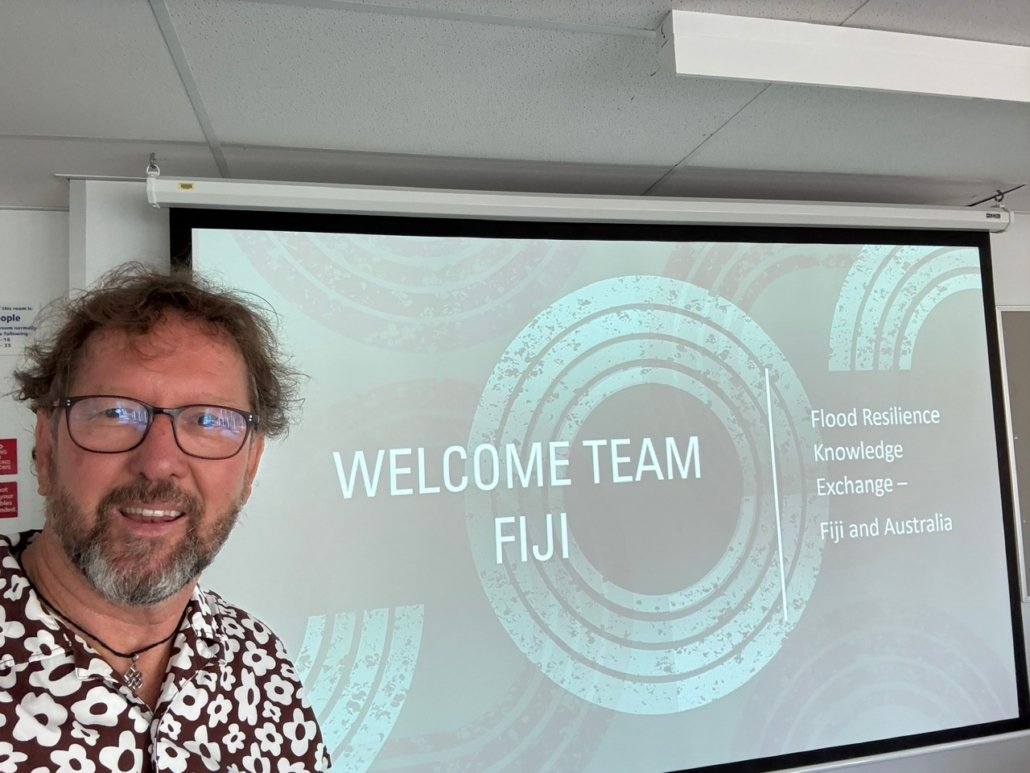
Following the initial enquiry in the second half of 2024 from the Australian Infrastructure Financing Facility for the Pacific (AIFFP) at the Department of Foreign Affairs and Trade, the International WaterCentre (Piet Filet, Regina Souter and Suli Batikawai) worked closely with DFAT staff in both Canberra (Tim Gill, Bilal Akbar) and Fiji Post (Louise Scott, Malvina Singh) to develop and offer a Knowledge Exchange initiative between Australian and Fijian parties. In collaboration with the DFAT team, a program was designed to allow delegates to:
- Hear of the approaches, strategies and implementation steps for integrated flood resilience measures in a variety of coastal catchments in Australia. The various hosts are experienced Local and State government officers and consultants, and they are all happy to share their experiences.
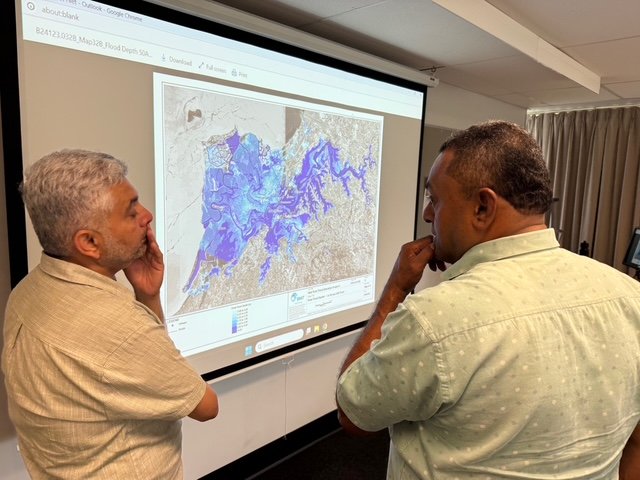
- See how maps and planning overlays work for flood resilience planning, undertake infrastructure field visits and walk around examples of how different flood resilience strategies and their measures are implemented.
- Discuss with Australian host organisations how they have been planning and implementing their approaches. Your questions, clarifications and two-way conversation with the hosts will be a great way for your interests and curiosities to be answered.
- Reflect on the information and experiences that are shared and consider what this might mean for the Government of Fiji team’s role in planning and implementing the Nadi Flood Alleviation Project.
- Design (with the IWC team) a follow-on Knowledge Exchange program of activities that will assist Government of Fiji in implementing the Nadi Flood Alleviation Project (NFAP) and can include such measures as designing suitable planning tools such as a moratorium on development that will assist in the implementation of the NFAP.
Visit to Nadi, Fiji and IWC team meet the stakeholders
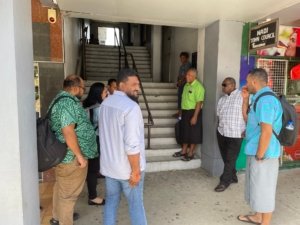
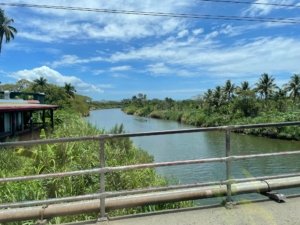
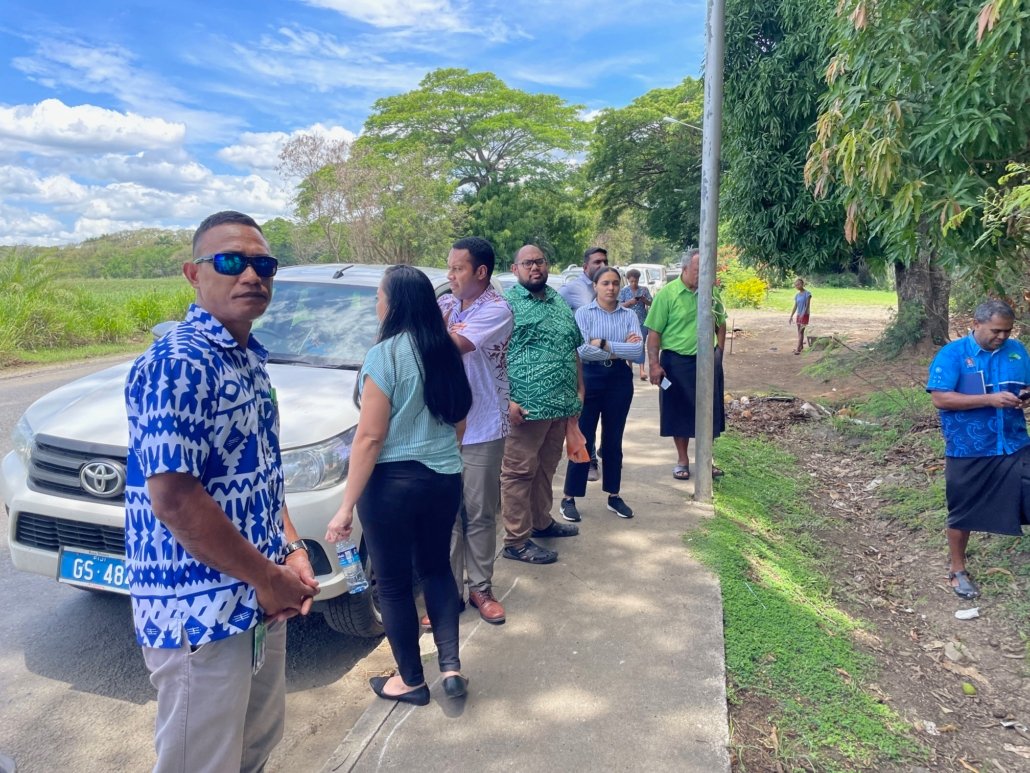
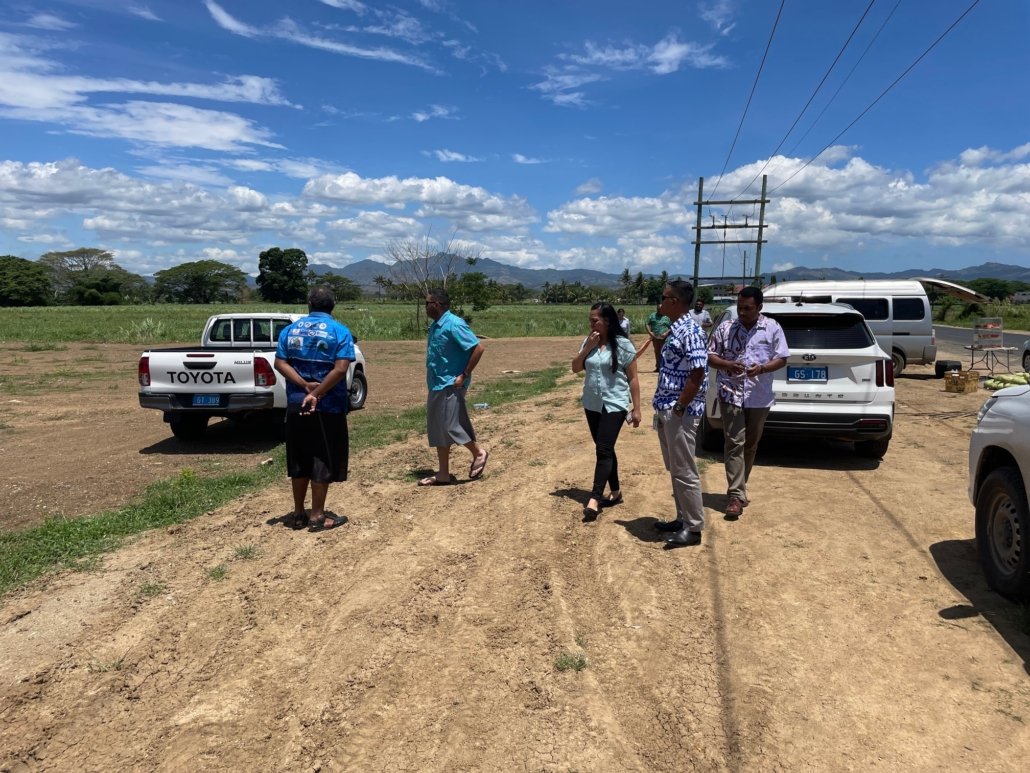
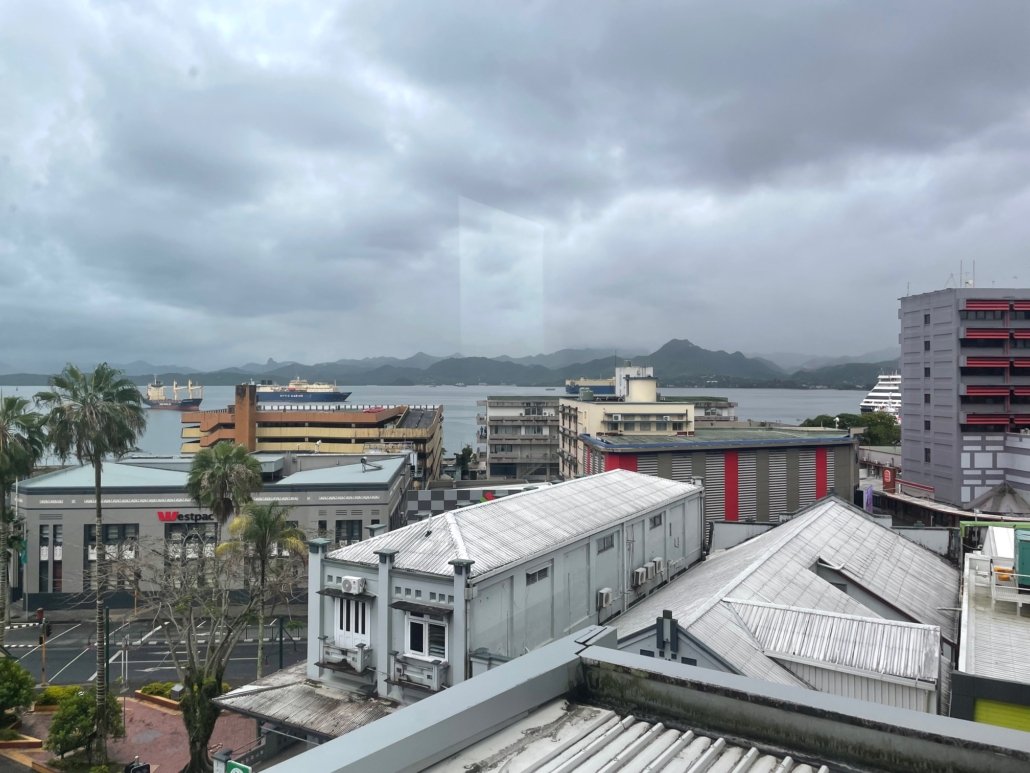
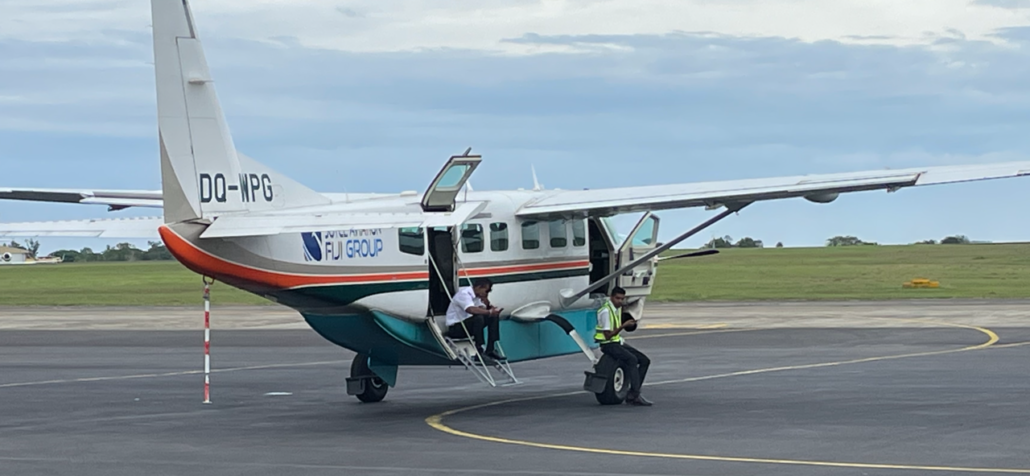
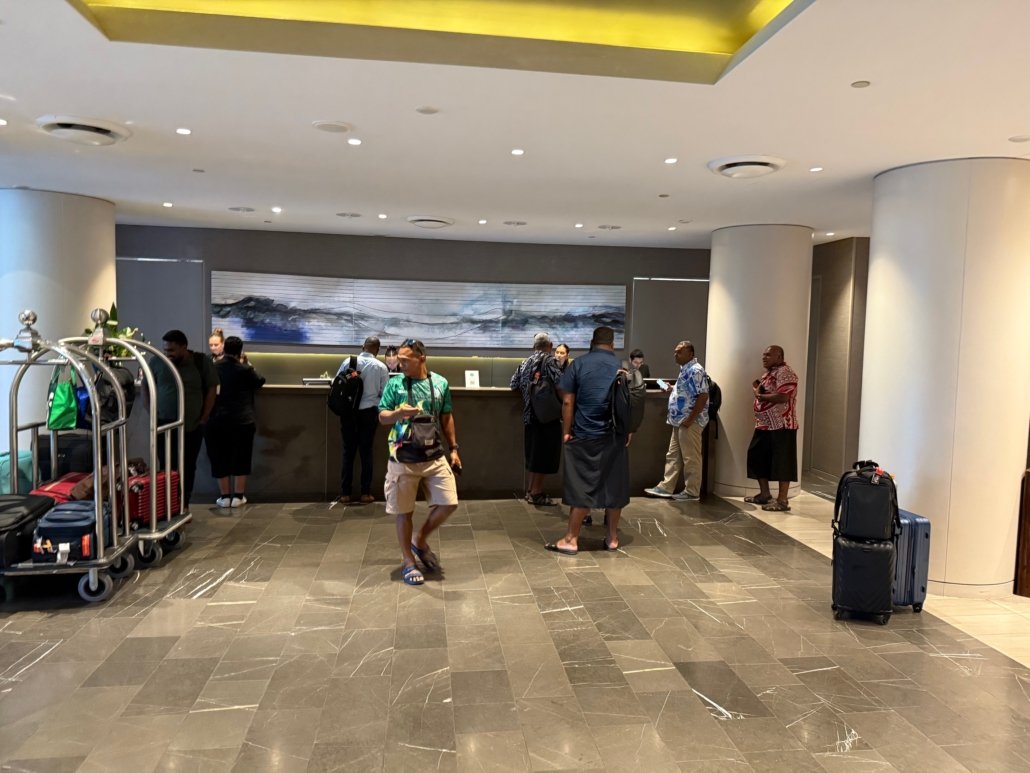
A whirlwind 4 day trip in October 2024, enabled the IWC Team (Piet Filet and Suli Batikawai) to see and feel the flood risk that Nadi and surrounding areas including the international airport face. Also, this was an opportunity to meet the various colleagues with an interest in this project and in typical Fijian style we were given a warm welcome. Over the few days we undertook:
- a briefing on Nadi Flood susceptibility with Nadi Town Council, including their board of directors plus other colleagues from the Ministry of Finance, Ministry of Town and Country Planning, Ministry of Agriculture and Waterways and the Australian High Commission Fiji.
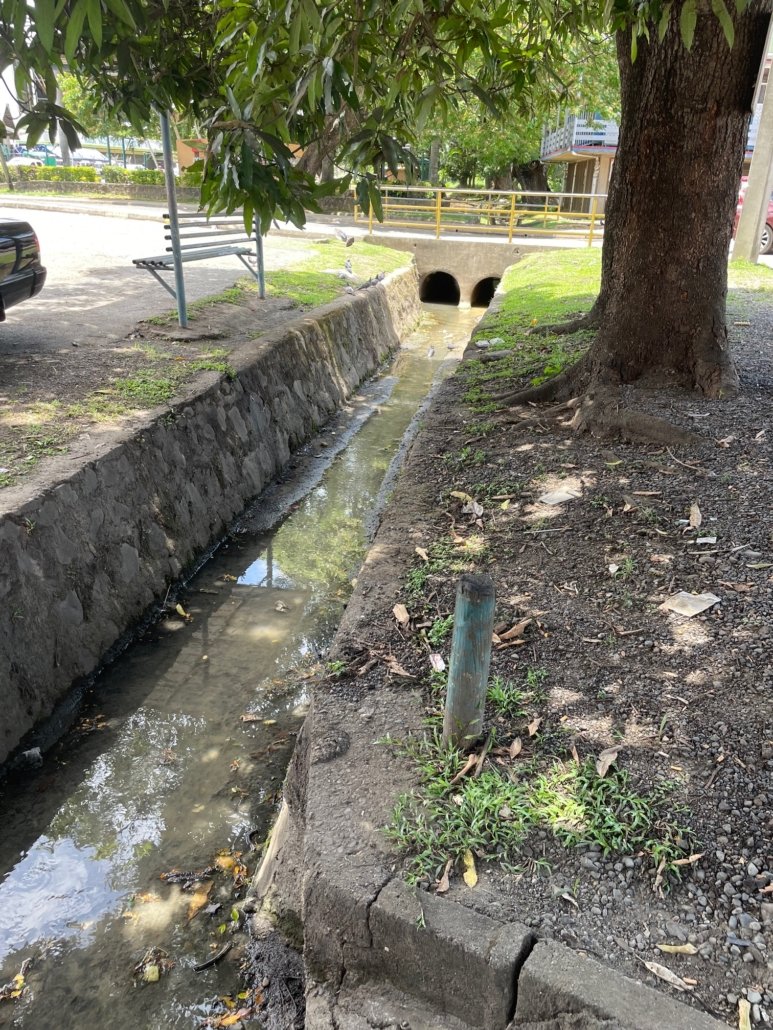
- field inspection of locations in inner Nadi Town and surrounding ;locations where possible flood mitigation infrastructure
- informal workshop with Ministry colleagues on what topics that the study tour could examine
- a briefing with the Pacific Community group, where Jacqui Read explained her project on developing and implementation needs of Flood Early warning Systems.
Knowledge exchange tour in Australia
Based on the focus of the Nadi Flood Alleviation Project to invest in an interconnected series of infrastructure measures for flood mitigation, this then was a key part of the design of locations to visit here in Australia. Coming to Brisbane was a convenient starting point, but a history of using infrastructure solutions is limited in South East Queensland, so a tour of northern NSW was included also in the program. In designing the exchange, including how each instaftsure solution/measure fitted into an integrated flood risk reduction program was also considered.
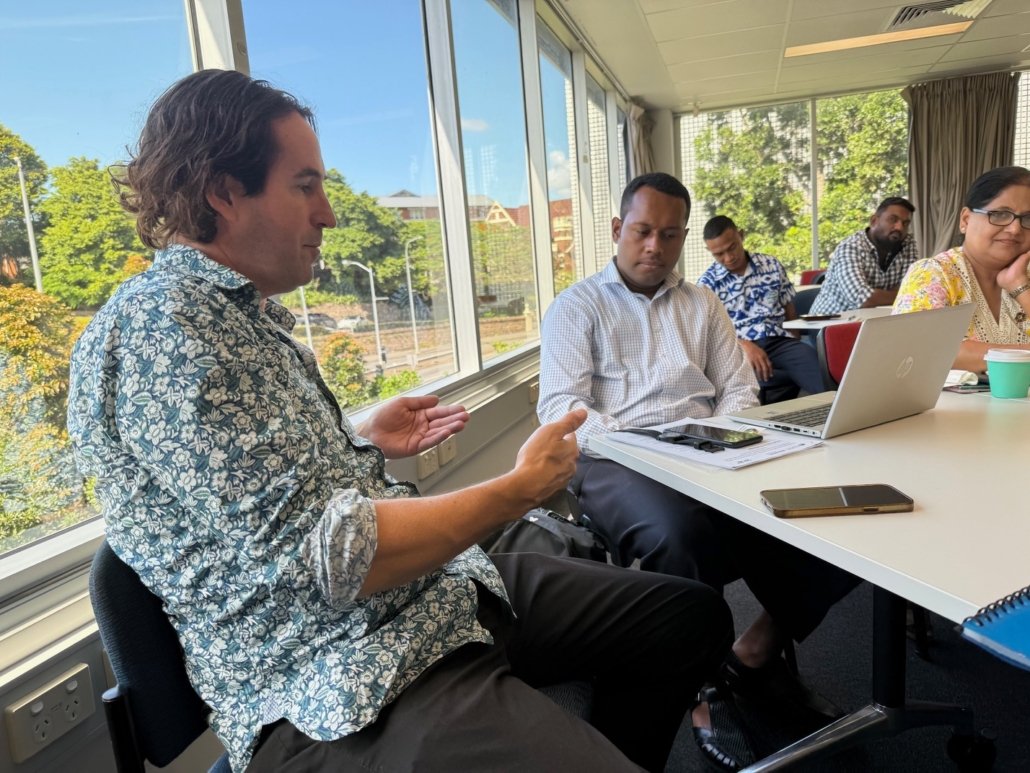
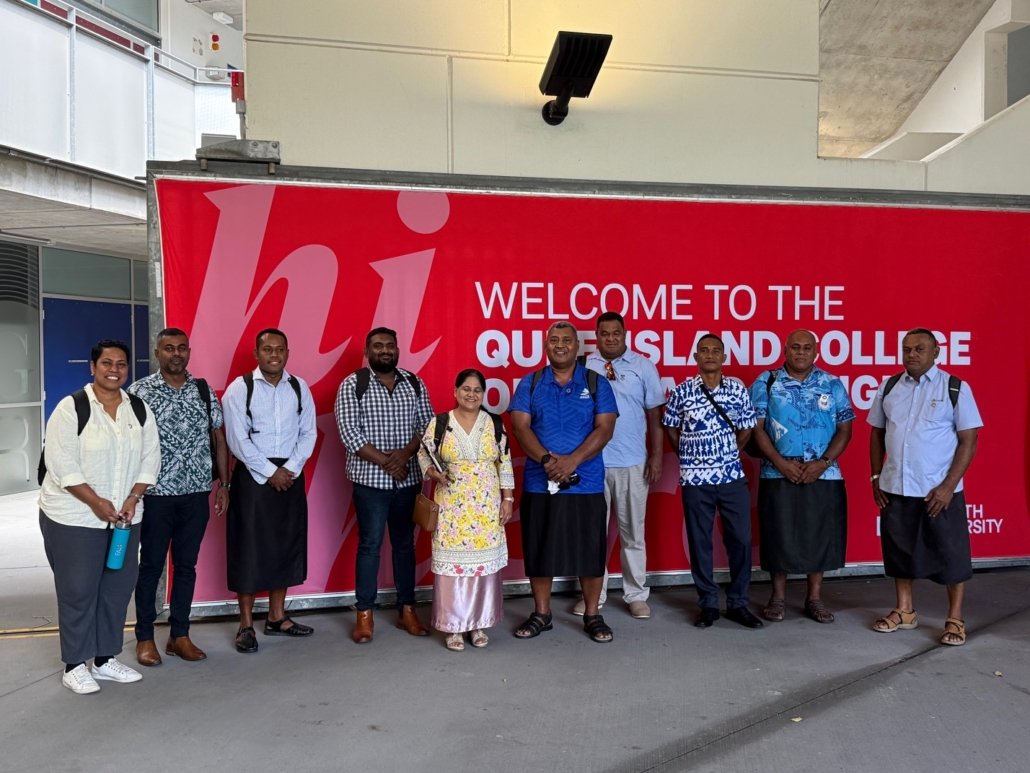
So over 5 days we managed to:
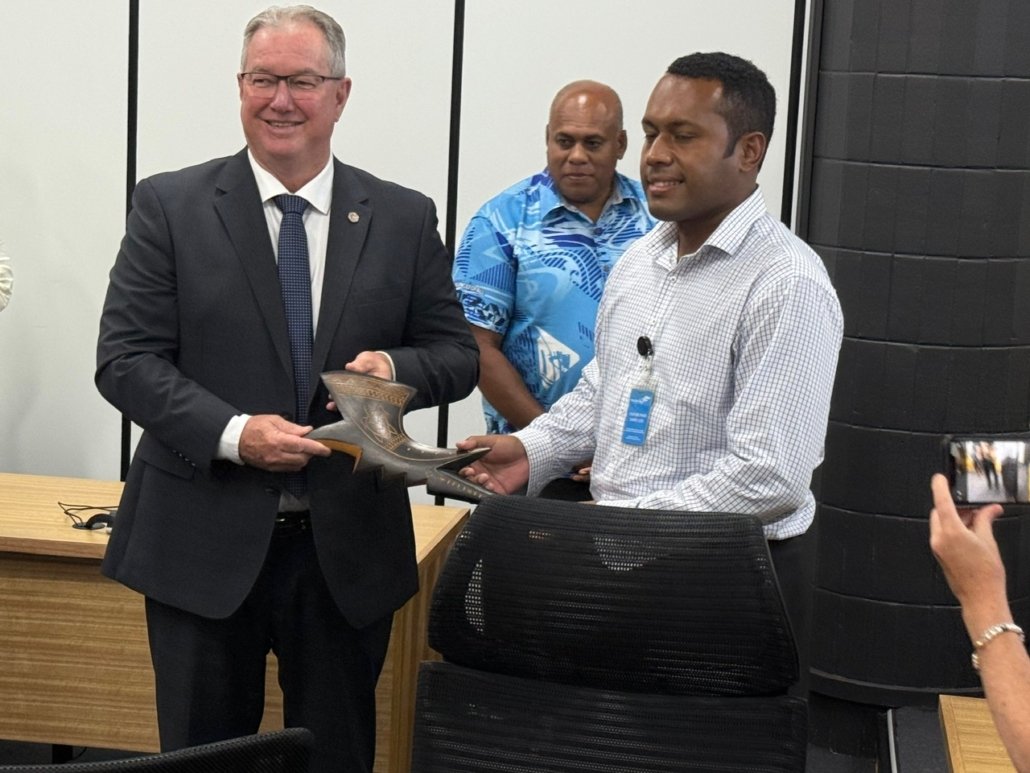
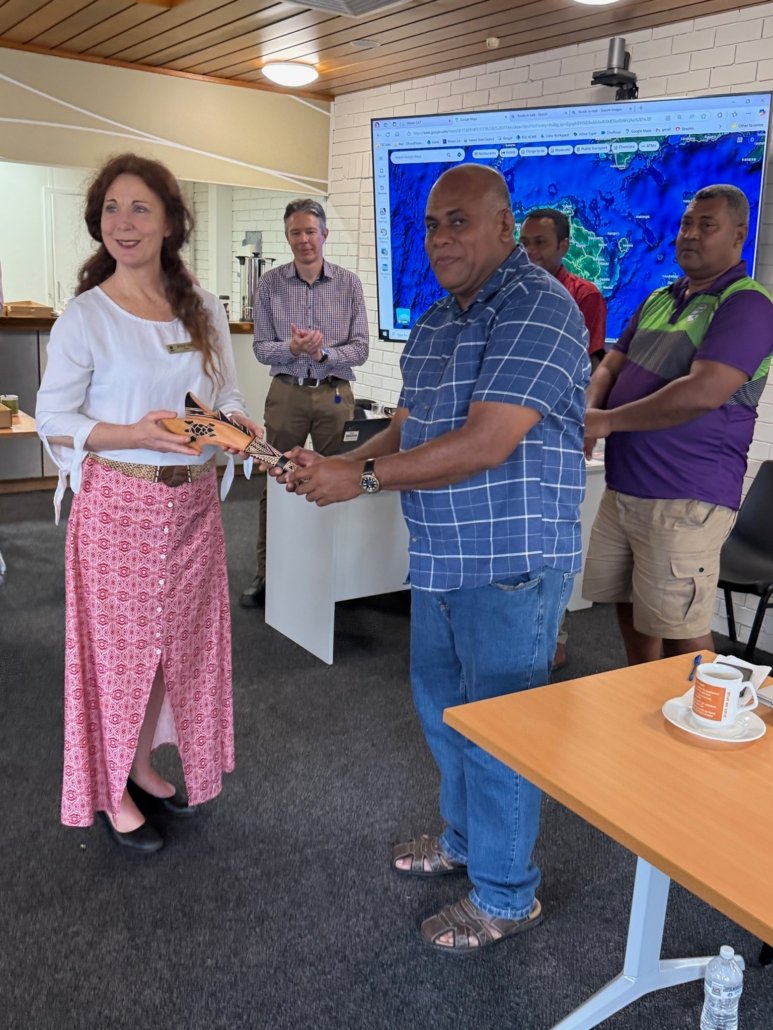
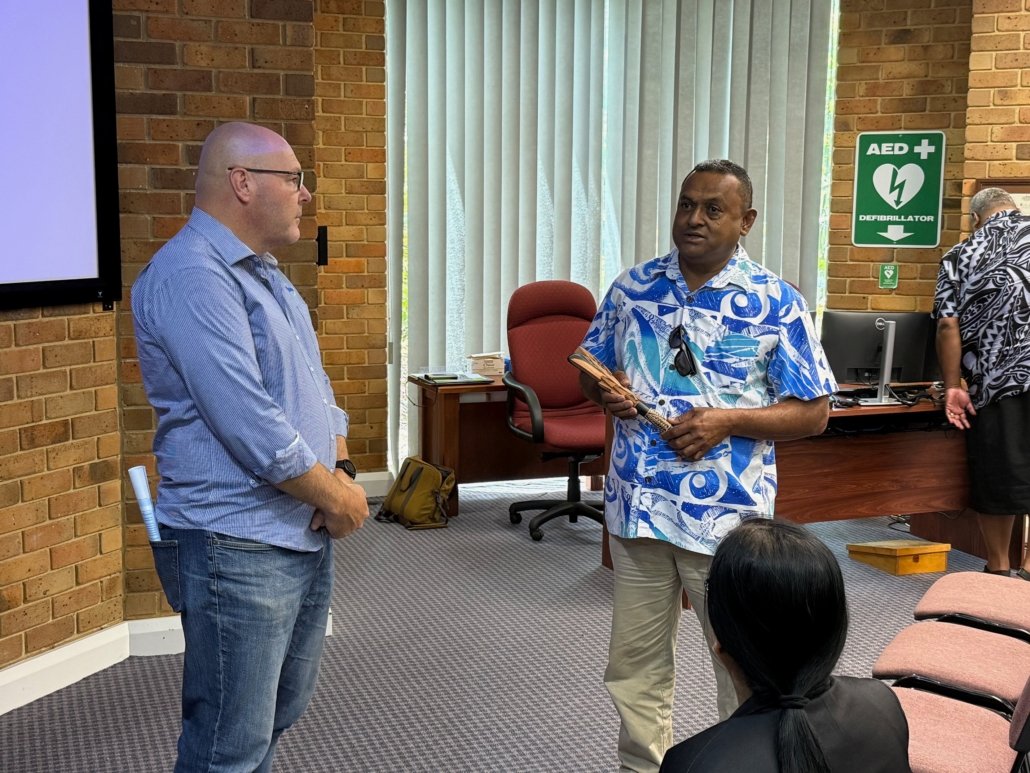
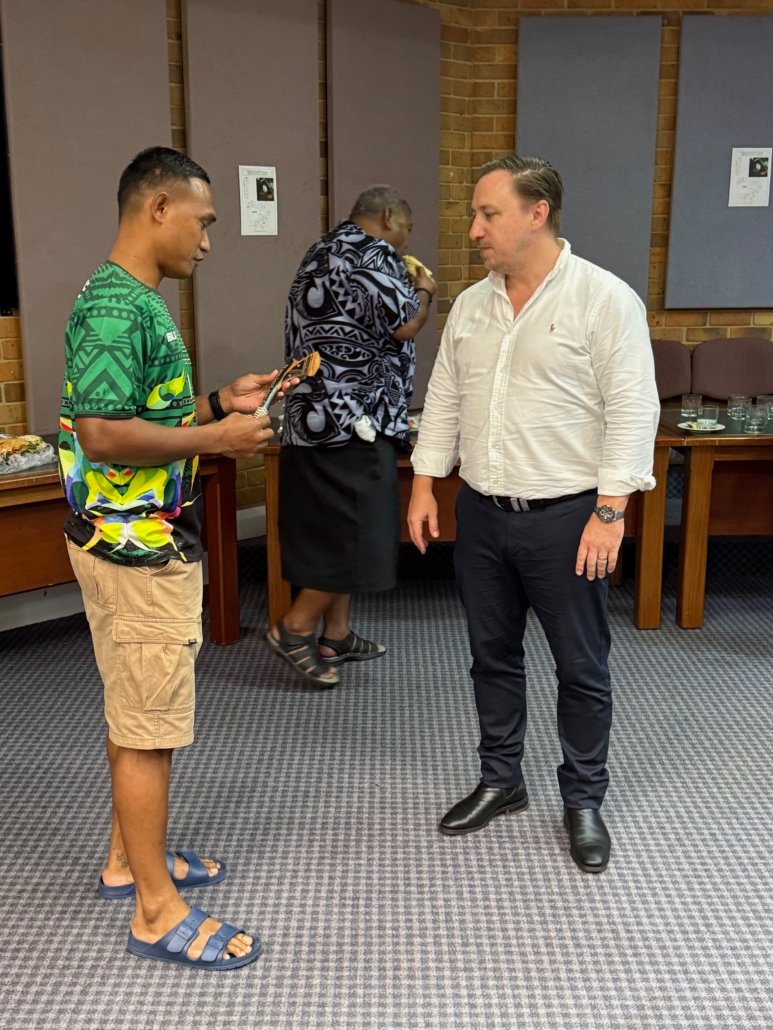
- visit local Governments at the City of Moreton Bay, Gold Coast, Tweed Shire, Lismore City Council and Ballina Shire Council and in the process meet mayors Peter Flannery, Chris Cherry and Steve Craig and NSW MP Janelle Safin.
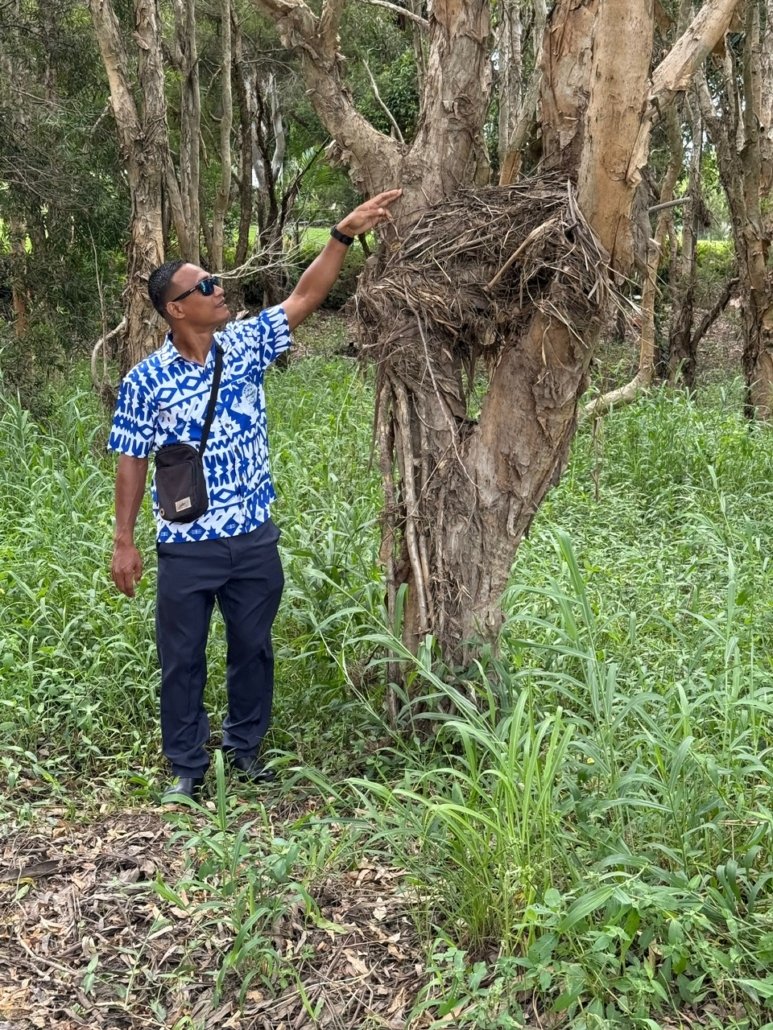
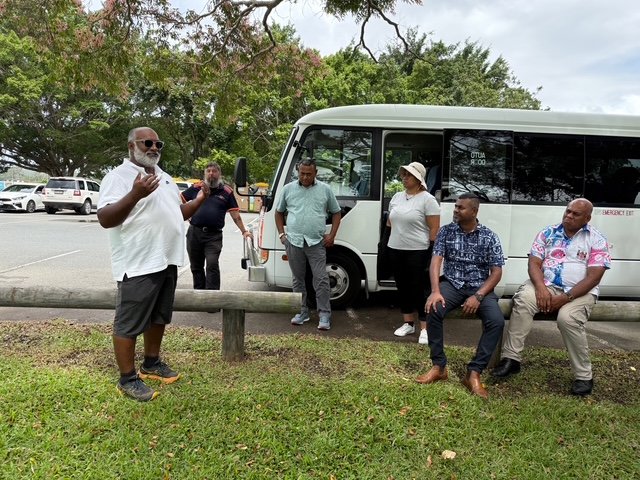
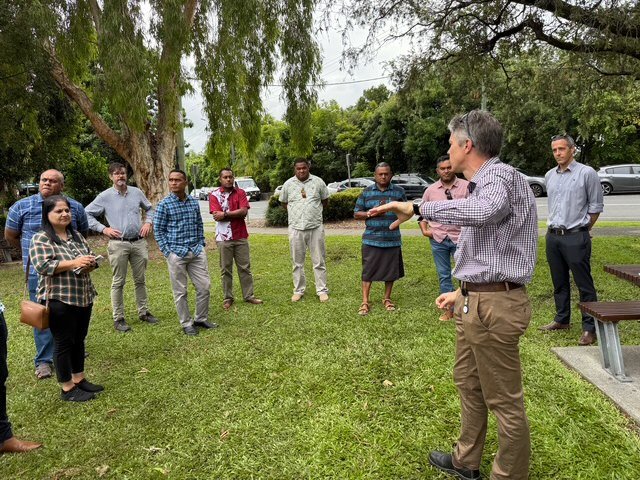
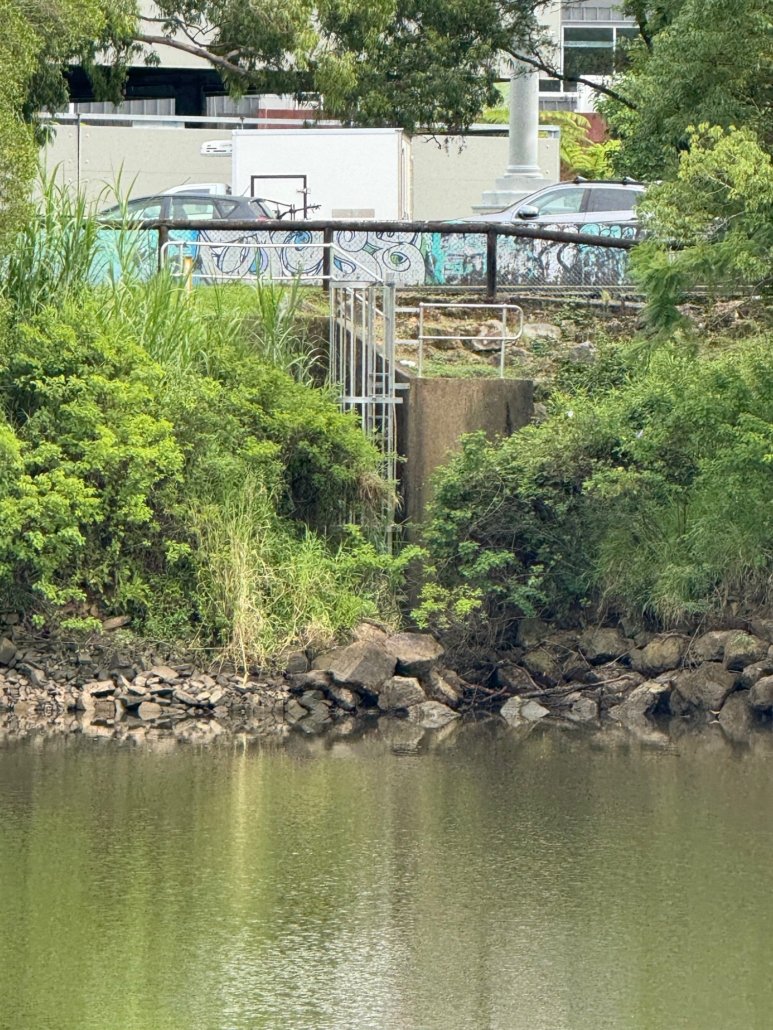
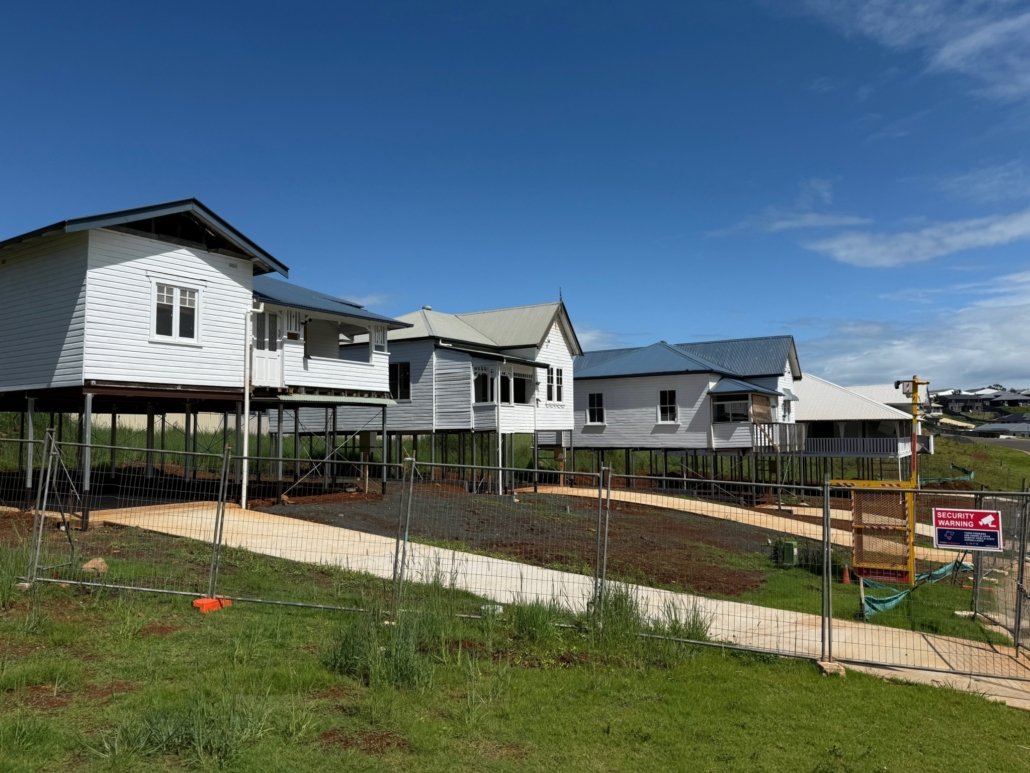
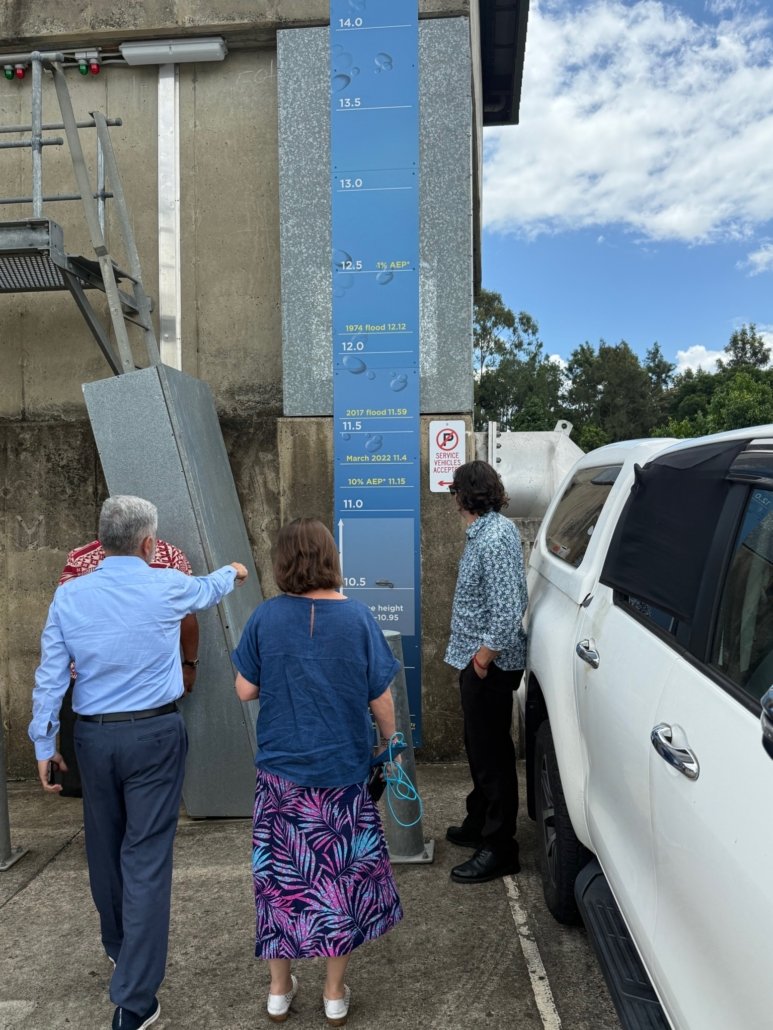
- see waterway pylon fields to protect against future flood impacts and how regional parklands can recover post a flood at the City of Moreton, role of regional floodplain storage basins at Guragunbah on the Gold Coast, early warning system and role of pump stations and levees at Tweed, flood damaged homes relocated to a new suburb as part of abut back scheme in Lismore, and inner city levee systems in Lismore
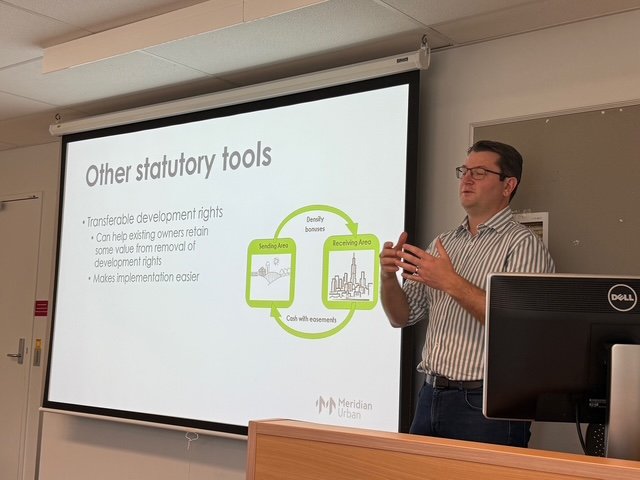
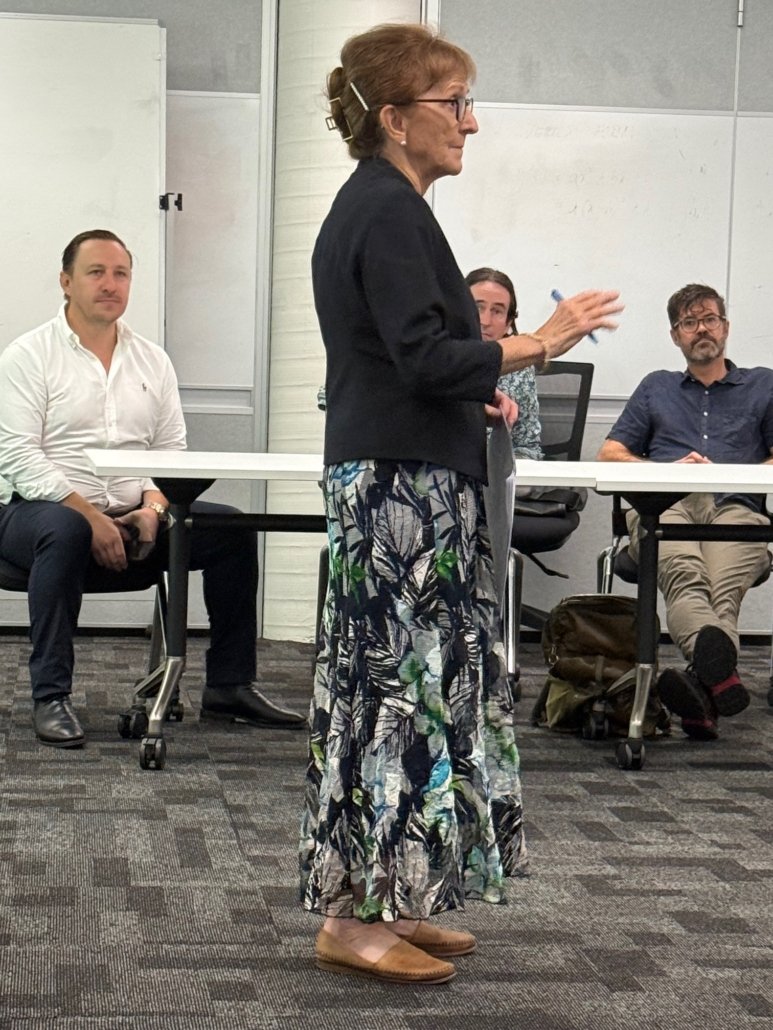
- be briefed on temporary disaster management defense equipment, role of planning tools to enhance the implementation of flood risk reduction measures, the way in which the NSW Reconstruction Agency operates
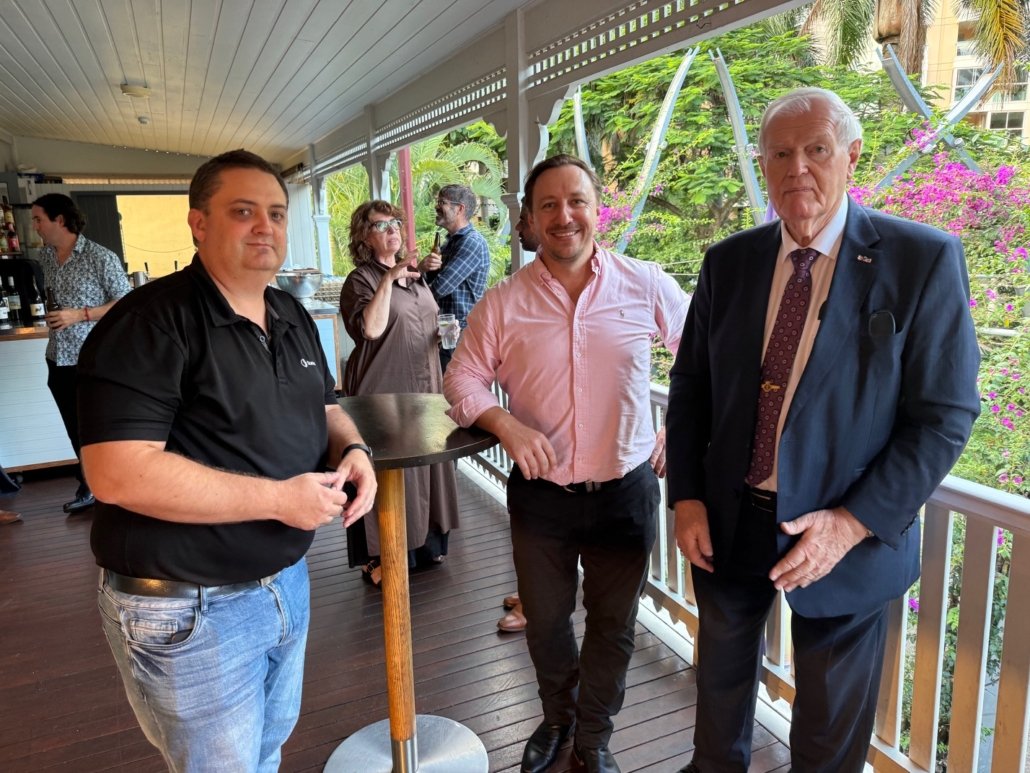
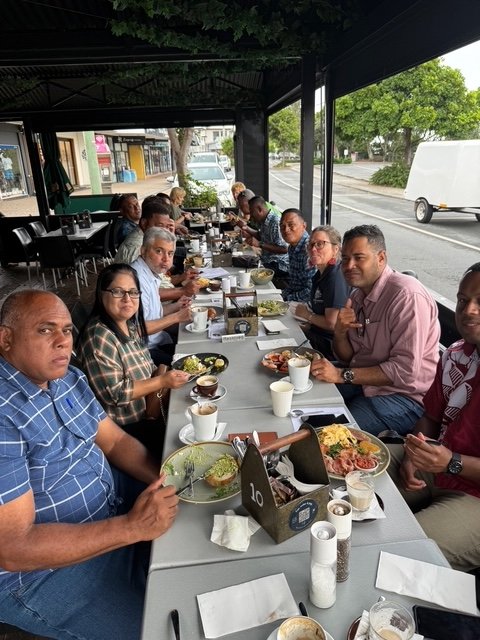
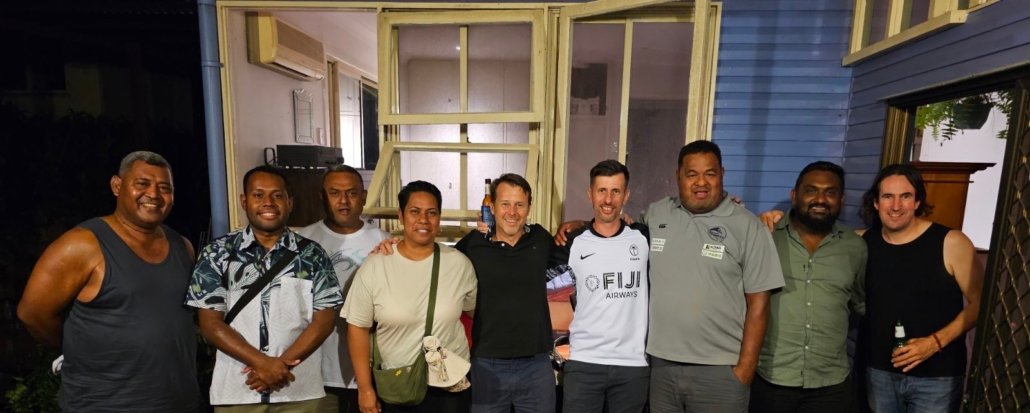
- meet Flood Community of Practice members over end of day refreshments, hear from the Northern Rivers Living Lab a community engagement initiate and end the week with a bbq with colleagues and neighbors in The Gap
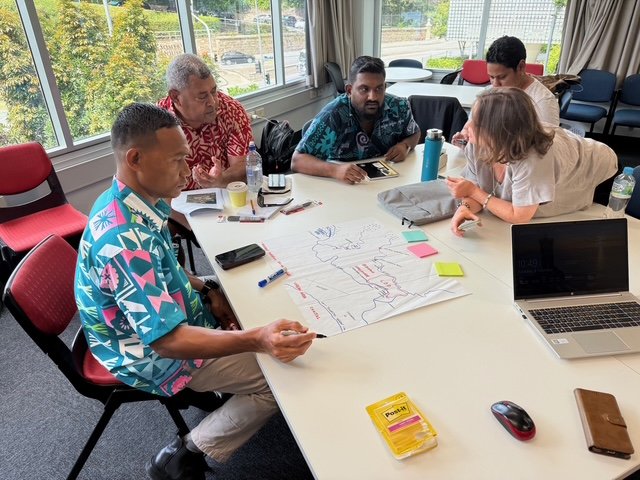
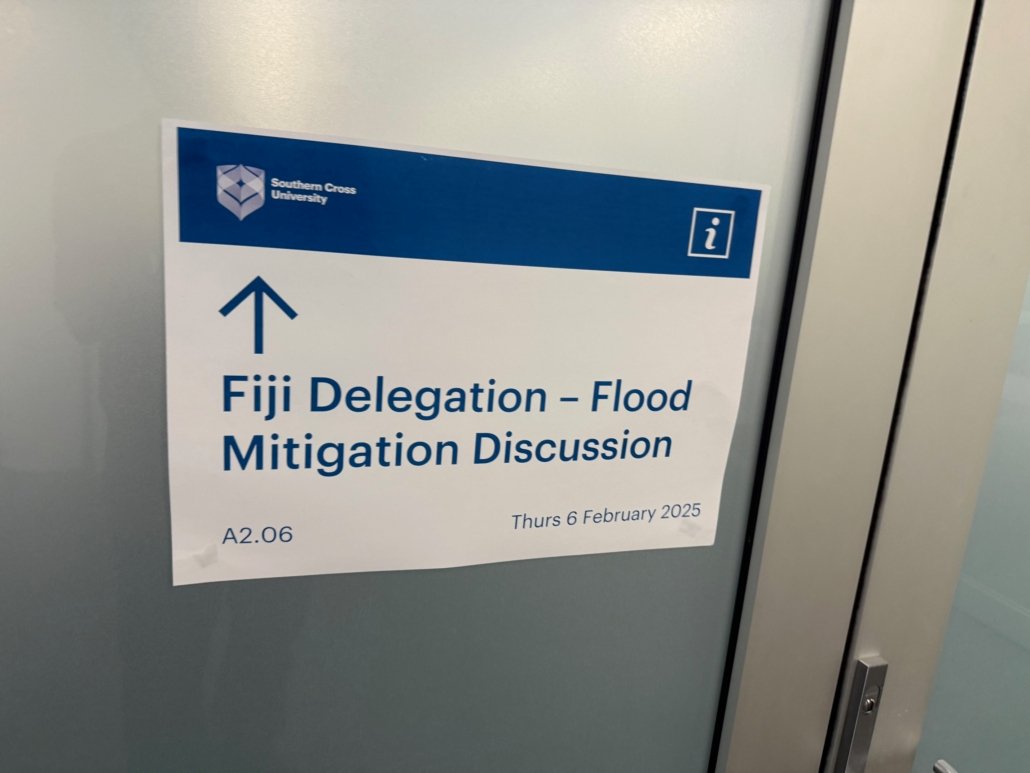
- end of trip workshop to build the NFAP action plan for next 6 to 12monts
Key Lessons Learned
Key issues for the participants were:
- Government Commitment & Policy Framework – Disaster risk is a priority for local and state governments, with dedicated budgets for mitigation efforts. Strong policies ensure that development does not contribute to additional risks.
- Flood Mitigation Strategies – The buy-back system for flood-prone properties is an effective measure to reduce risks and prevent disaster-related displacement.
- Community Engagement & Land Use Planning – Effective mitigation requires community involvement, acknowledgment of traditional land custodians, and strategic planning to integrate flood hazard mapping.
- Technical & Planning Considerations – Accurate flood hazard mapping, development controls, and stakeholder collaboration at multiple government levels are essential for resilience.
- Best Practices in Flood Control – Strategies such as designing flood control systems for multiple uses, clear operating procedures for levee overtopping, and structured risk communication were identified as crucial components.
Possible future activities in the exchange could include:
Establish a process, similar to twinning, between suitable organisations in Fiji and Australia, where a particular flood resilience topic in the NFAP is explored more closely. These topics might include:
- Establishing a moratorium to protect future establishment of flood resilience infrastructure
- Ways to undertake community engagement
- Ways to communicate the NFAP to various stakeholders
- The role of champions to promote the NFAP
Acknowledgement and thanks for those who supported this Knowledge Exchange Initiative
This trip benefited from a long standing partnership that exists within the Flood Community of Practice, with members and supporter readily offering their time, sharing their experience and hospitality. Specific thank you to:
- City of Moreton Bay visit -Elissa McConaghy, Elton Chong and Chris Barnes and Mayor Peter Flannery
- City of Gold Coast visit – Pradesh Ramiah
- Tweed Shire Council visit – Danny Rose, Leon McLean, Senior Executive Team and Mayor Chris Cherry
- Lismore Shire Council and area visit – Will Prentice, Neredia Buckley, Kristie Clarke, Stephen Timms, – NSW Reconstruction Authority, Janelle Saffin MP, Member for Lismore and Parliamentary Secretary for Disaster Recovery, Dan Etheridge of the Living Lab and Mayor Krieg
- Ballina Shire Council – Peter Brown and Ben Caddis,
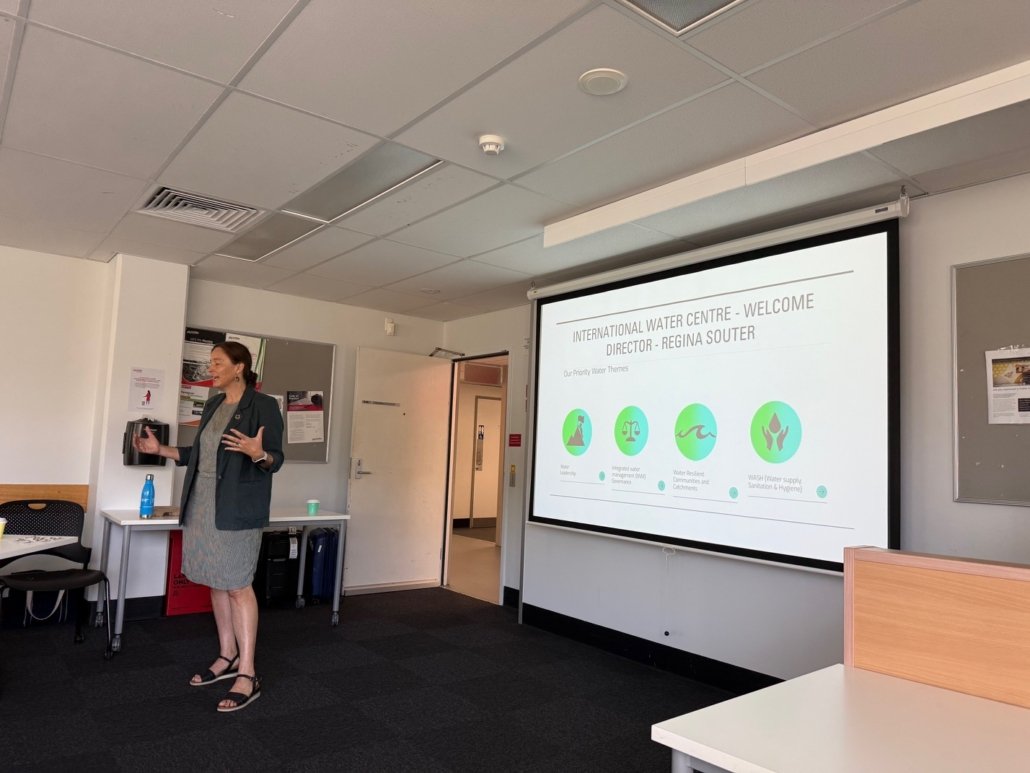
- Presenters in Brisbane – Regina Souter, Ben Caddis, Stephen Dredge Paul Hart and the various friends from the Flood CoP who joined for informal networking
- Organizing Team – From DFAT Louise Scott, Bilal Akbar, Tim Gill and From IWC Piet Filet, Catherine Hanley, Suli Batikawai and Regina Souter – with logistics support from the Ship Inn and Brisbane 360 Tour and Charter