Unearthing the Archerfield Wetlands Parkland: The Why, The How and Who is involved
Time in the field is where the Flood CoP network likes to work!!
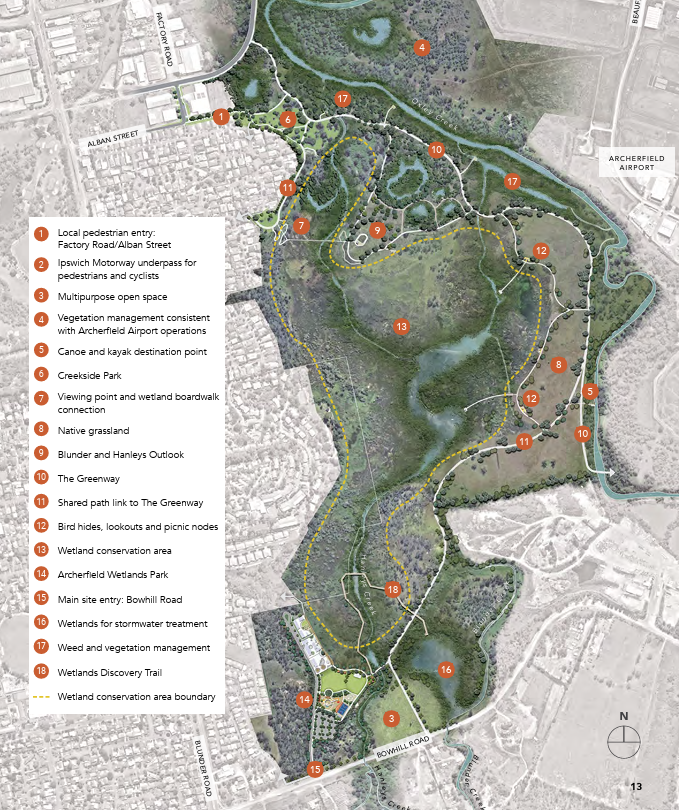
This invitation for a local tour of the one year old Archerfield Wetland Parkland brought us to this showcase site in the Oxley Creek Transformation program.
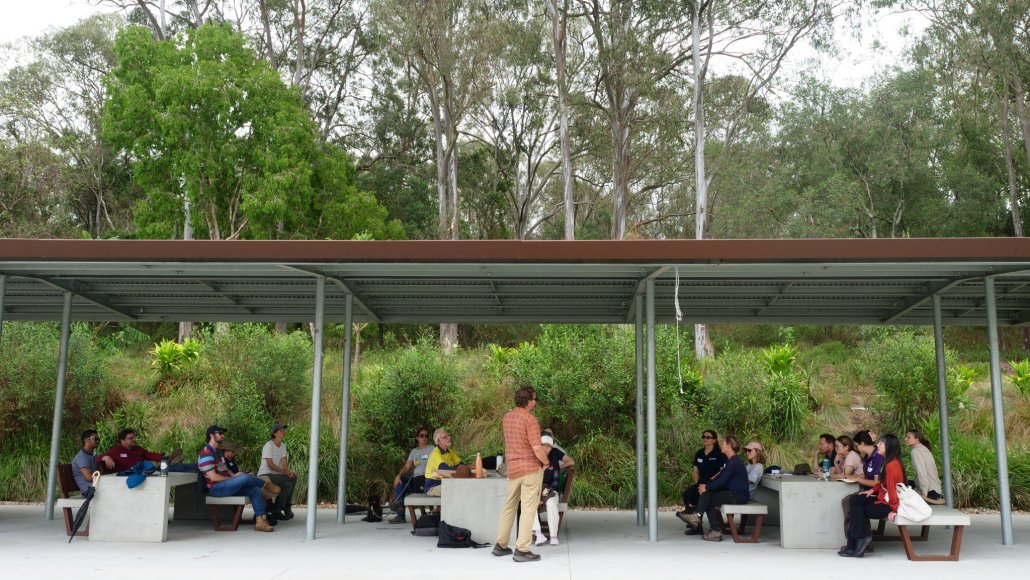
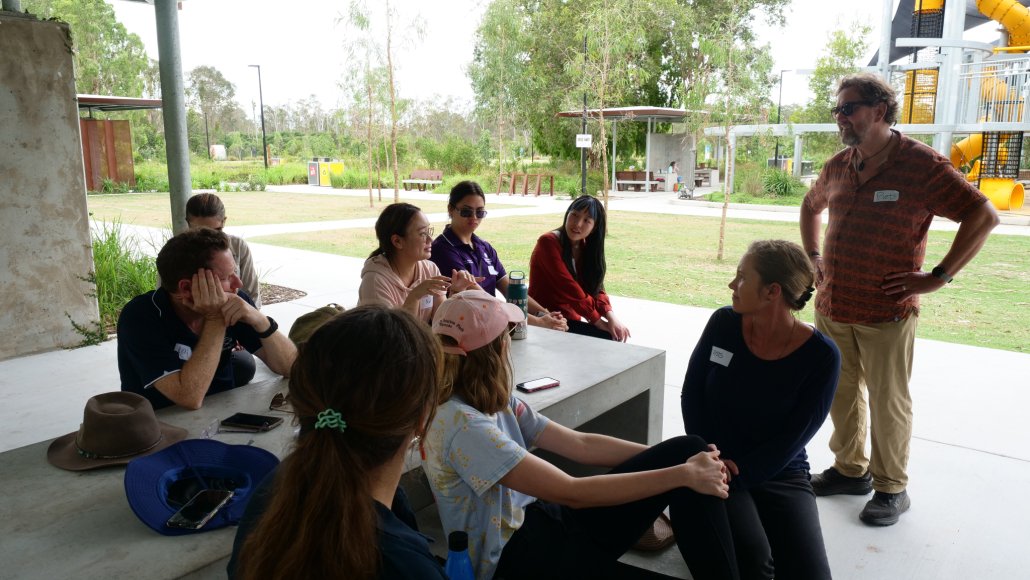
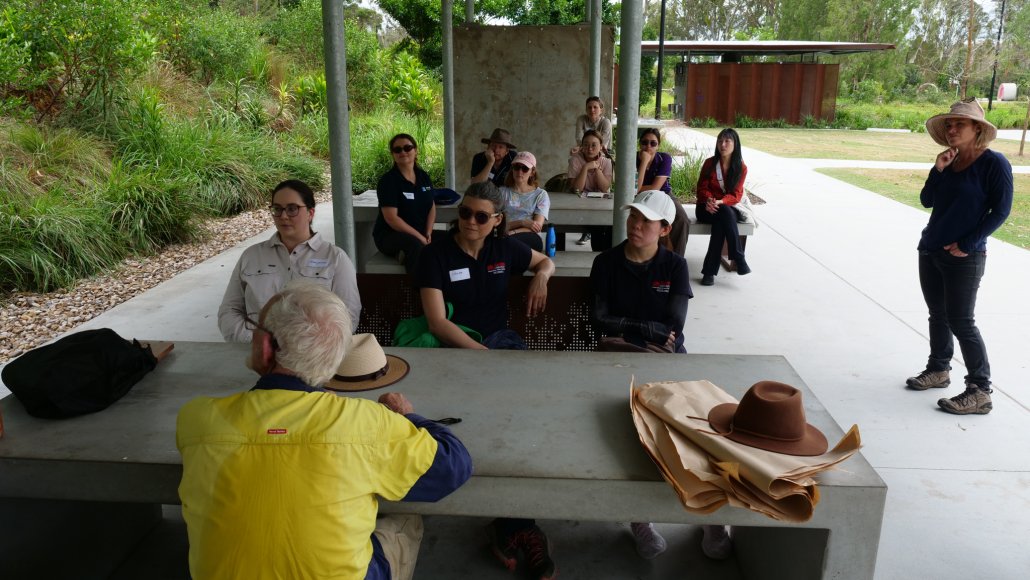
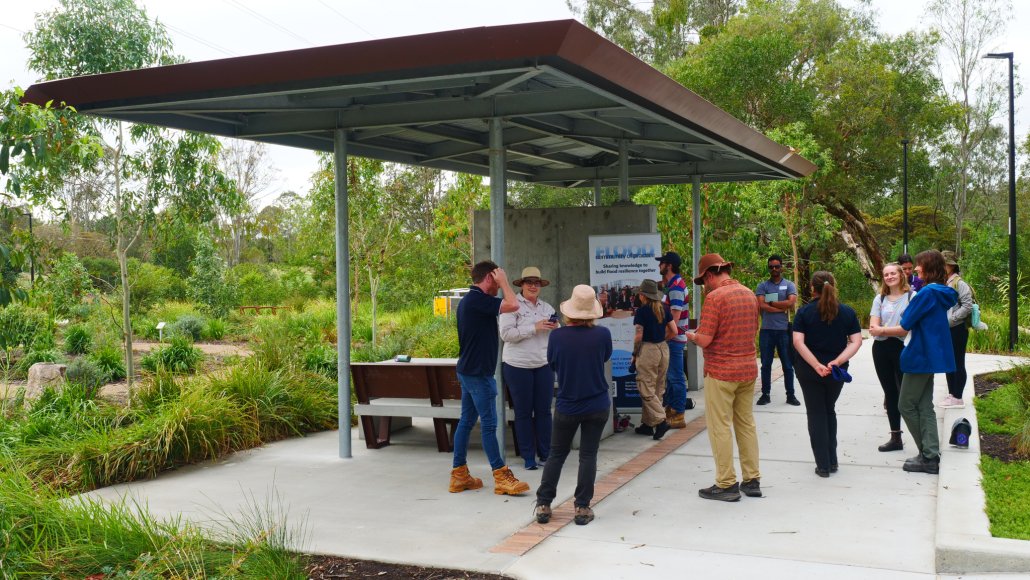
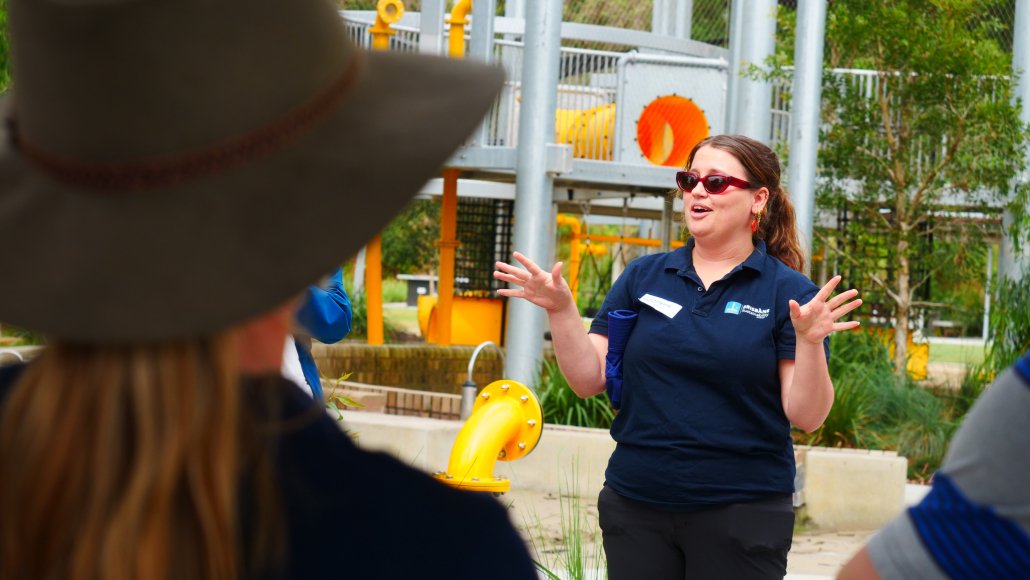
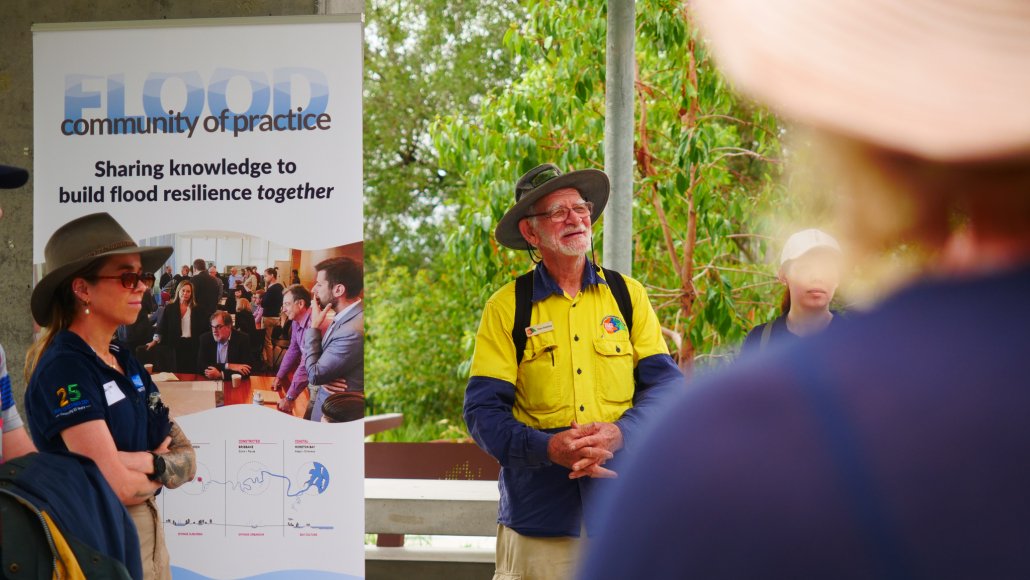
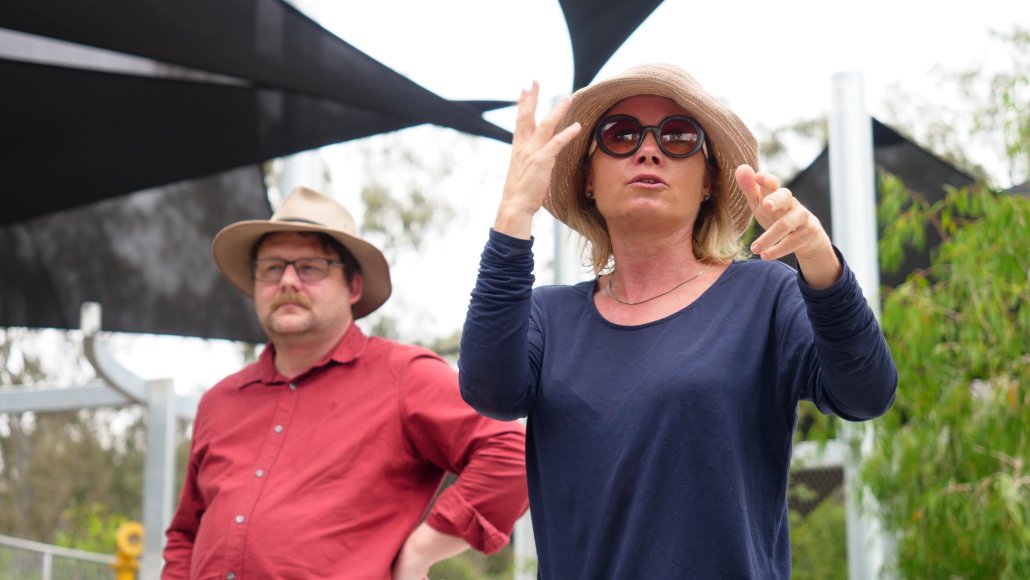
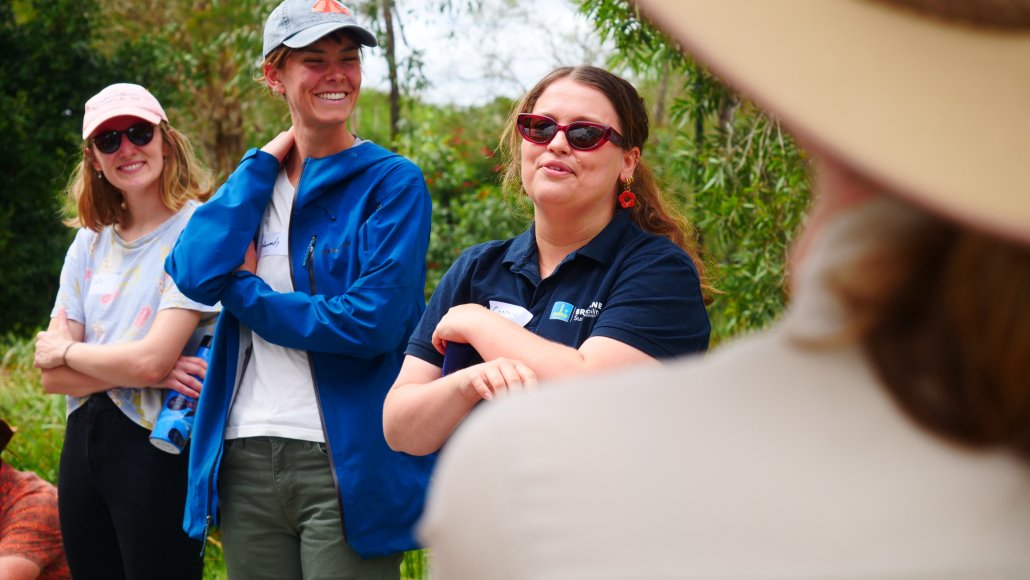
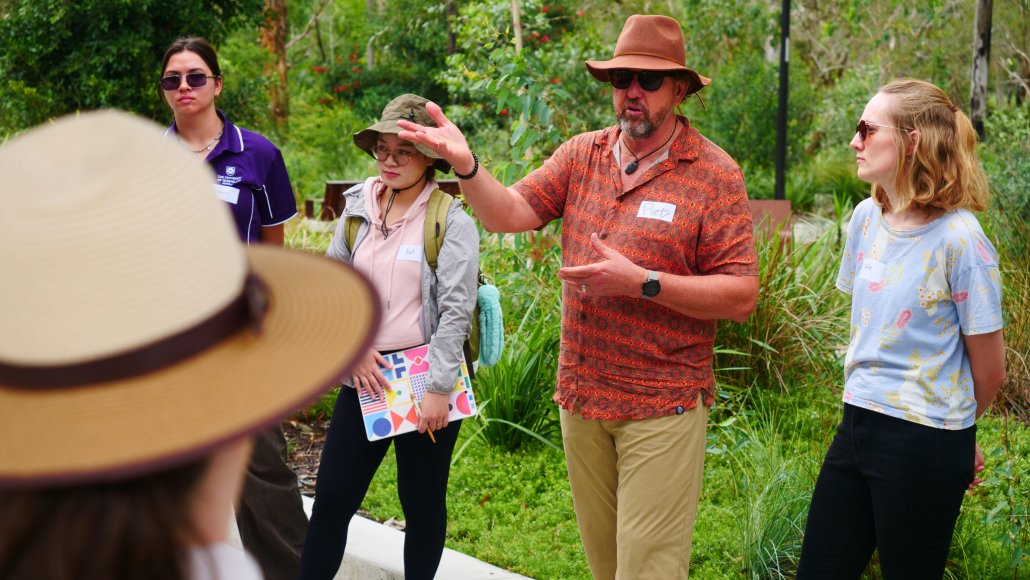
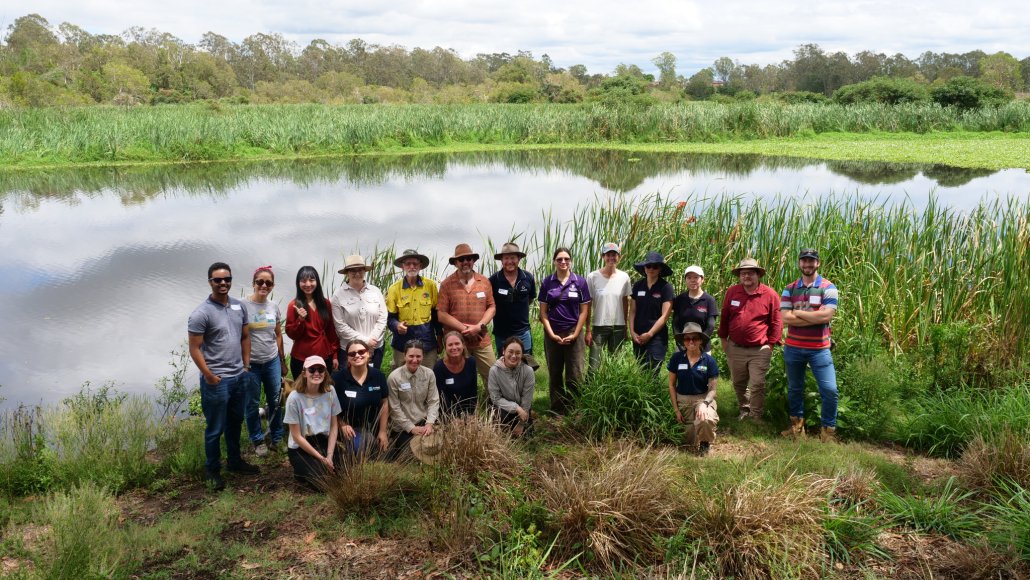
Meeting in between the heat and heavy downpours of recent Brisbane weather, we had ideal morning weather on Wednesday 29 October. With our hosts Georgina Kerr and Cass Gaisford from the Brisbane Sustainability Agency our group of 20 participants had a unique opportunity to hear and see:
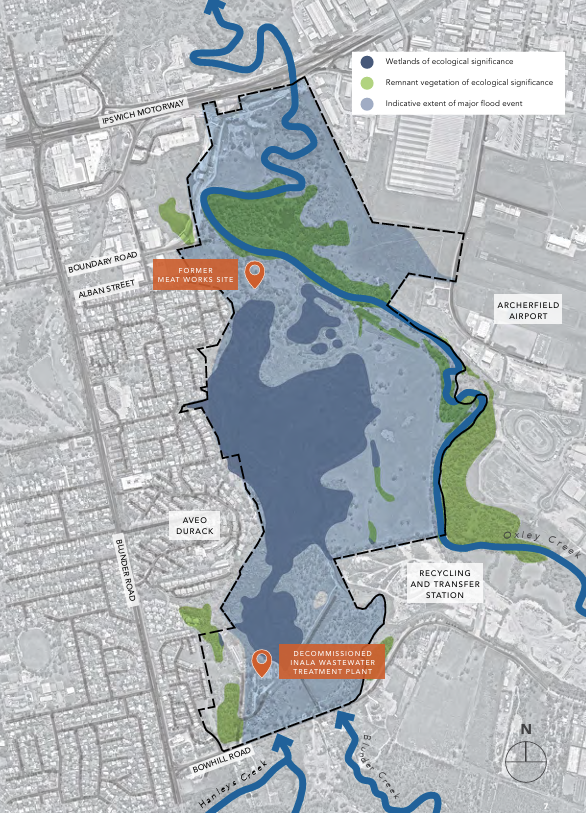
- why this site is locally significant, from multiple themes of flooding, biodiversity , water quality, regional parkland, historical setting and home for the local Oxley Creek Catchment Association
- what this location represent as a part of a major corridor and regional landscape initiative
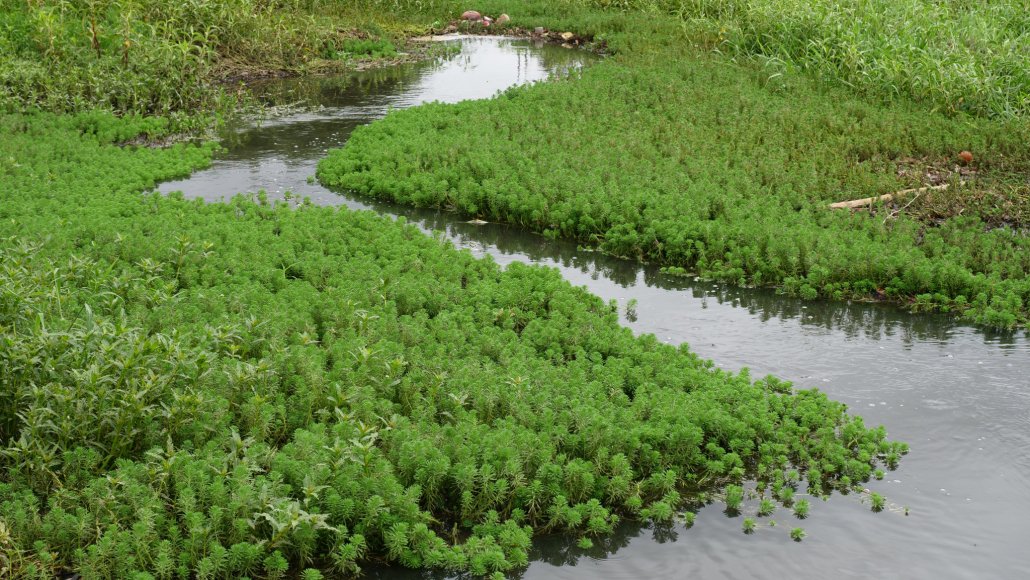
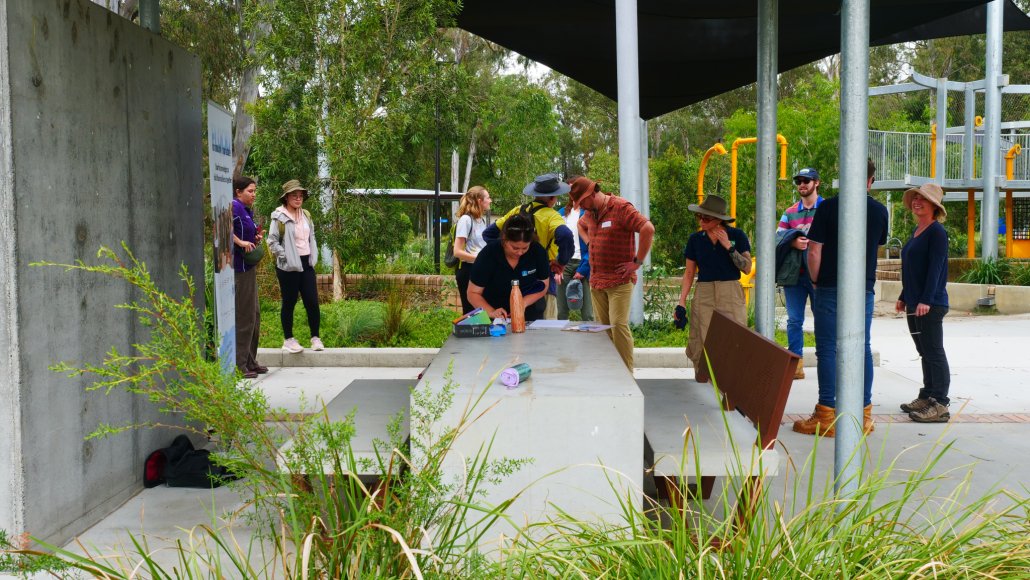
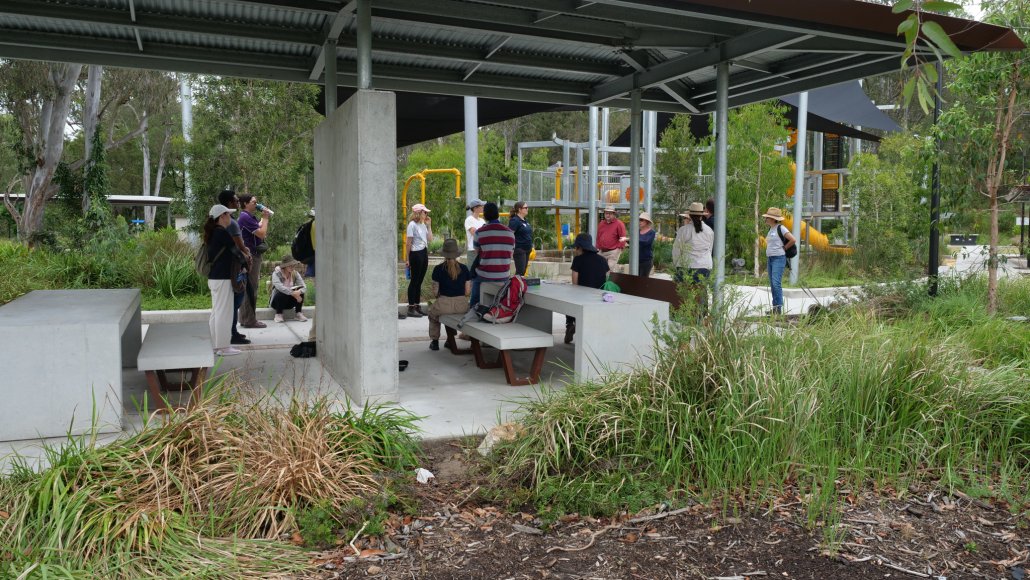
We saw first hand the various elements such as wetlands, riparian mixes of bushland and grassland plantings, cycleways, children’s play area and local community meeting facility – all guided by the Precinct Plan for this regional park
We also heard how the implementation is a mix of partnerships, staged planning and ongoing delivery through various State and Federal government projects. The SEQ Resilient Rivers program has also invested in investigations to better understand the significant erosion processes that continue to impact along Oxley Creek. Managing this process requires ongoing collaboration with Logan City Council colleagues and looking at how the Australian Defence Force at Greenbank might also contribute so as to manage severe head wall erosion that is active in their military training area.
Where were our participants from?
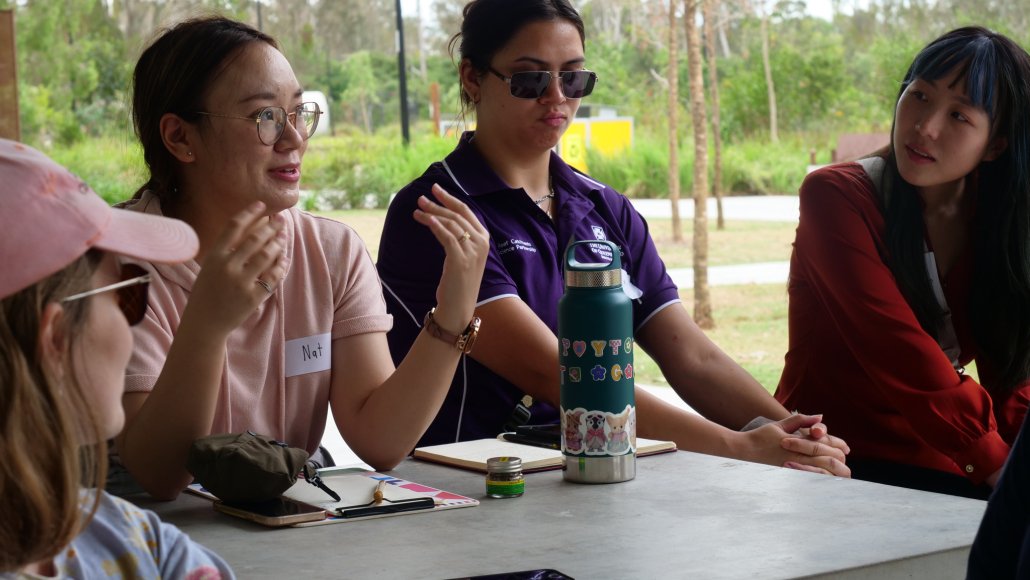
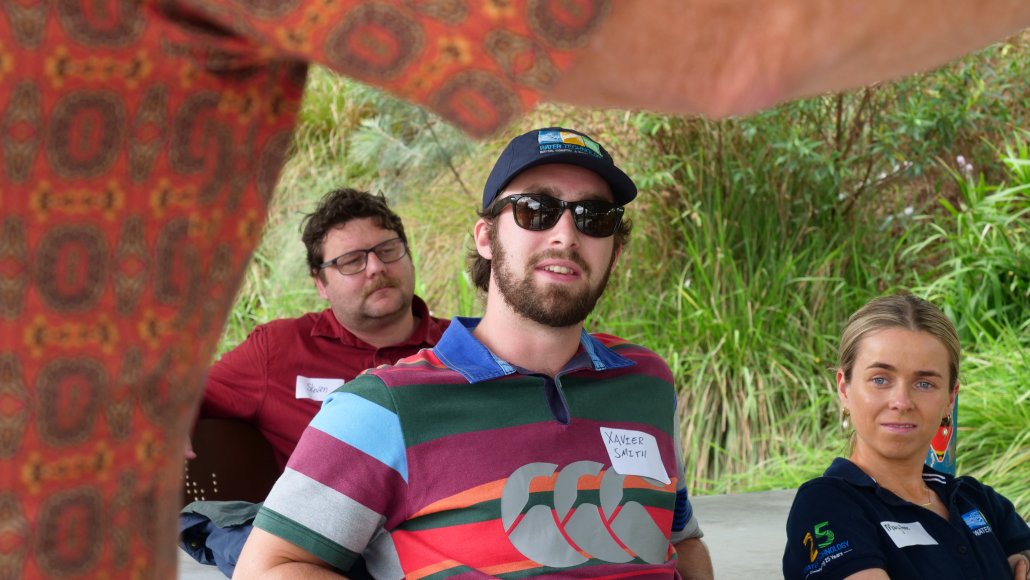
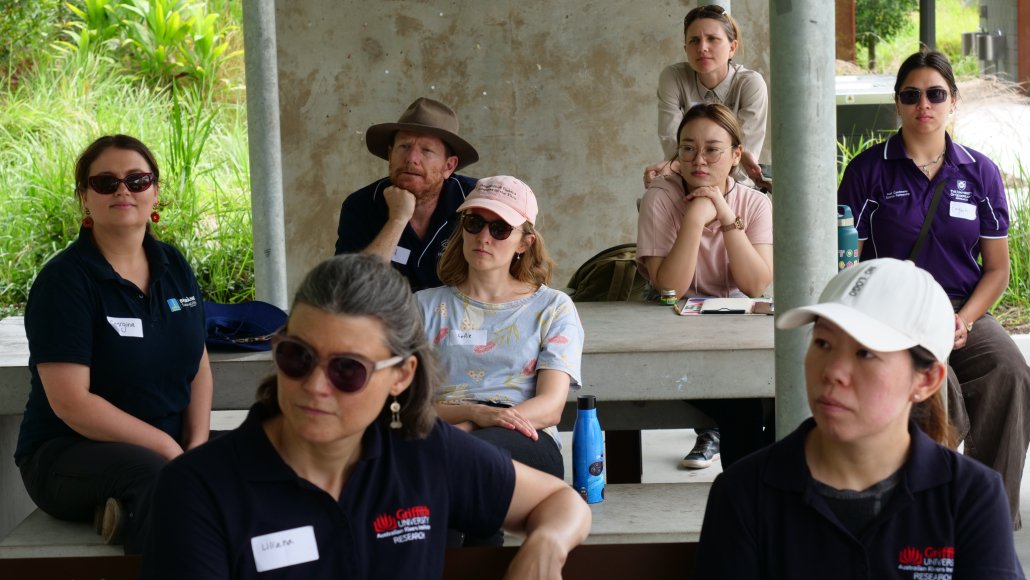
Joining this Flood CoP event were:
- students and researcher fellows from the Australian Rivers Institute at Griffith University and the Reef Catchment Science Partnership from UQ
- consultant specialist from Aurecon, Alluvium, Hydrobiology and WaterTechnology
- engineering and environmental project officers from Bulimba 4C and Healthy Land and Water
- creek care coordinator at Oxley Creek Catchment Association
Out on the circuit
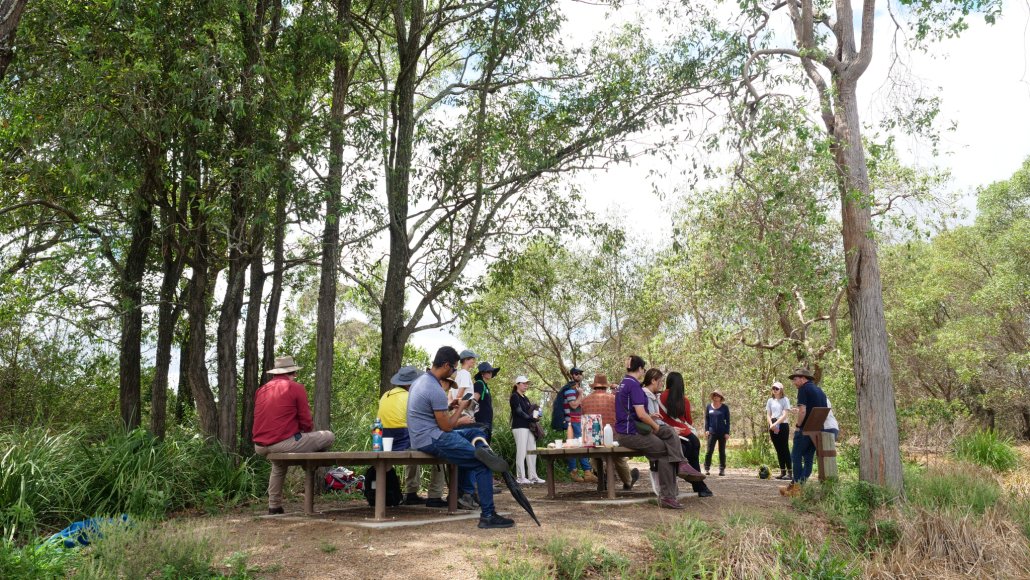
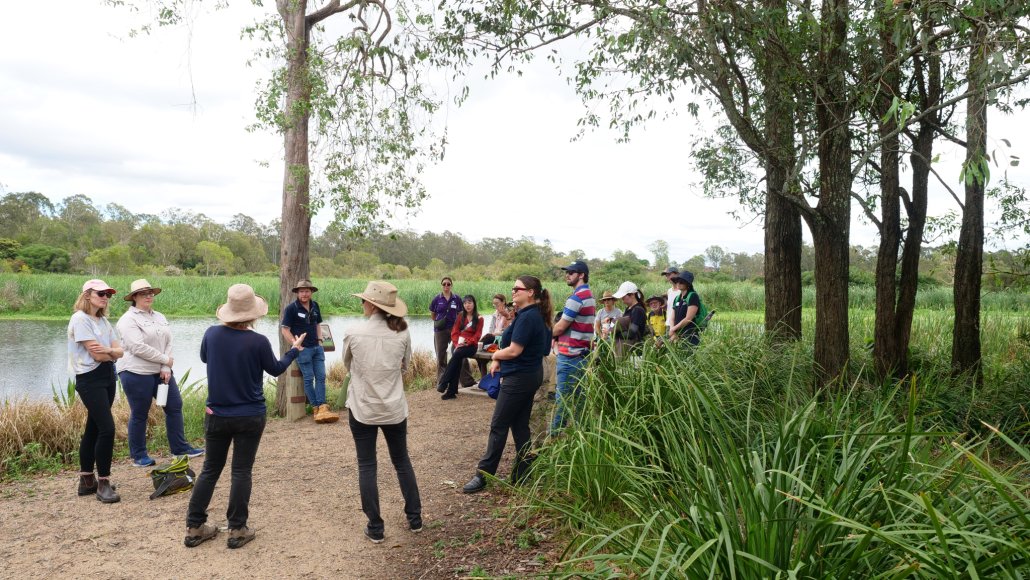
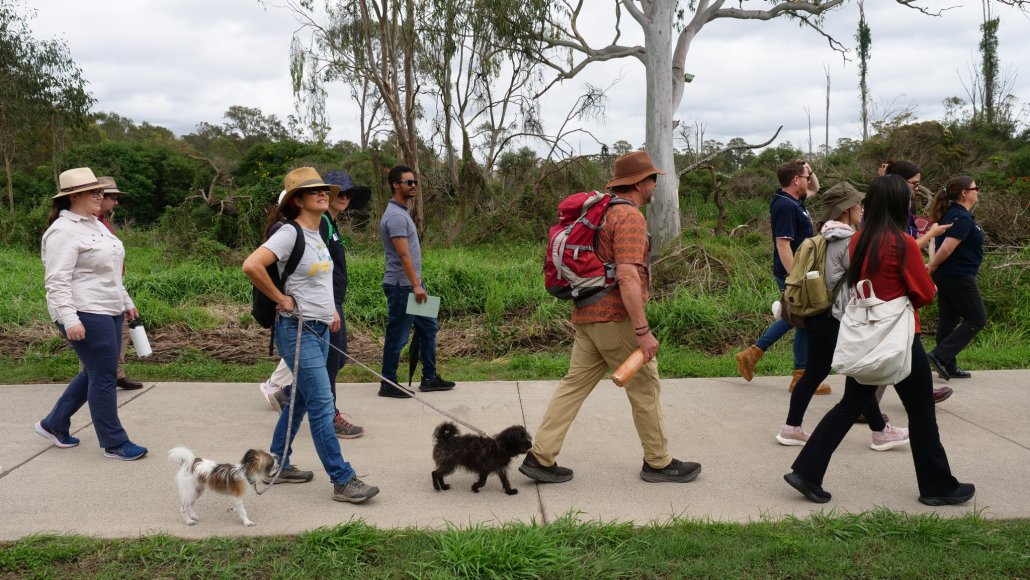
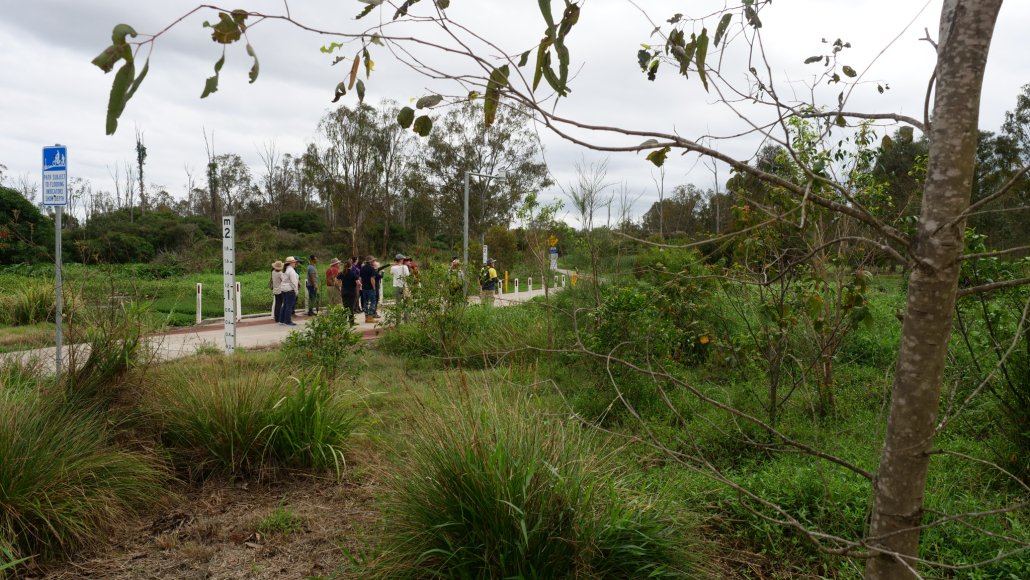
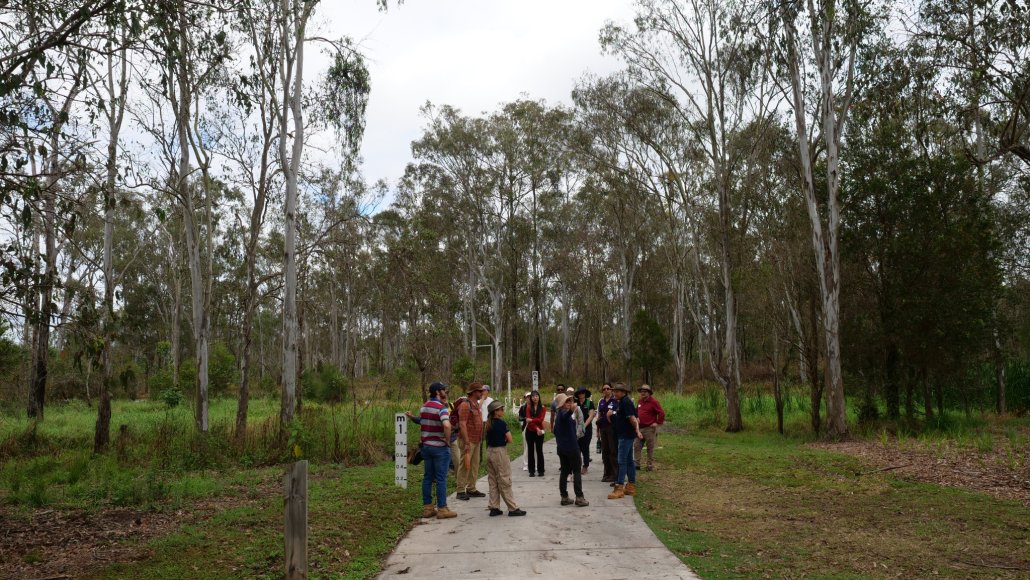
The parkland has a network that take visitors to all parts of this floodplain. On our 2 hour walk we saw:
- local creeks Hanley and Blunder both with a minor fresh from recent rains, with Oxley creek more distant on the eastern boundary of the parkland
- various sized bird boxes painted by community members and set up by the OCCA team – and currently hum to squirrel gliders, various birds and micro bats
- ongoing large scale plantings with various community and corporate giving days
- challenges of removing invasive weed species, whilst leaving some less invasive types that provide a transitional habitat as more permanent desirable planings mature
Lessons from the Archerfield site for other waterway and flood plain restoration initiatives
Throughout the event – while walking, looking and reflecting – a number of topics were raised that apply for any locations where restoration and flood resilience outcomes are being sought. They included:
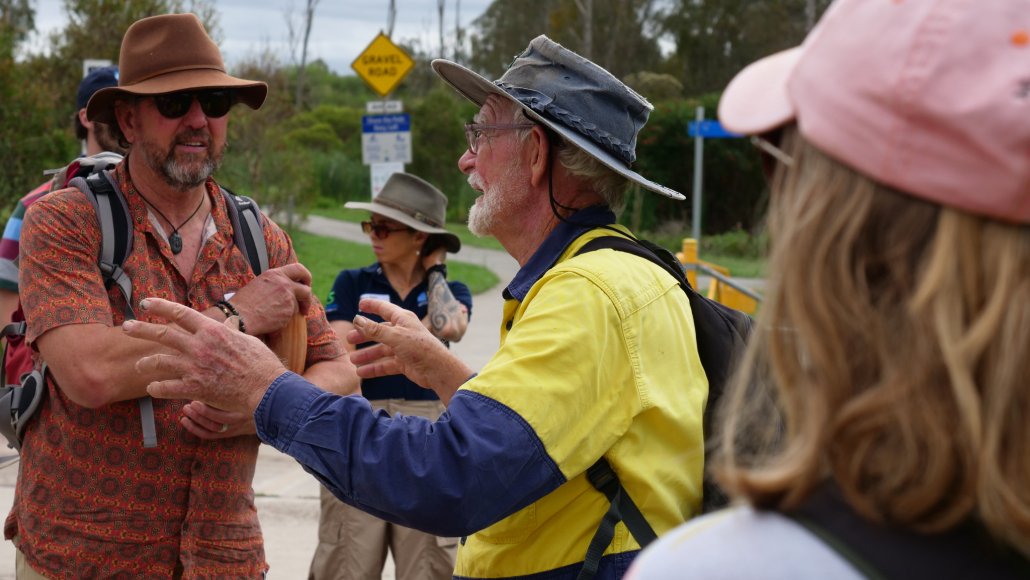
- having the best contacts with neighbouring authorities, landholders, business operators or residents is vital if the integrity of a corridor project is is be achieved. For example, who can be the best contact in an Australian Defence Force facility – often the environmental project managers are located inter state!!
- each waterway corridor project opens up alignments with other issues such as weed management, soil erosion, suitability of land uses of neighboring commercial landholders (eg here at Archerfield there are waste management operators nearby and unmanaged issues can have a downstream impact) and other themes
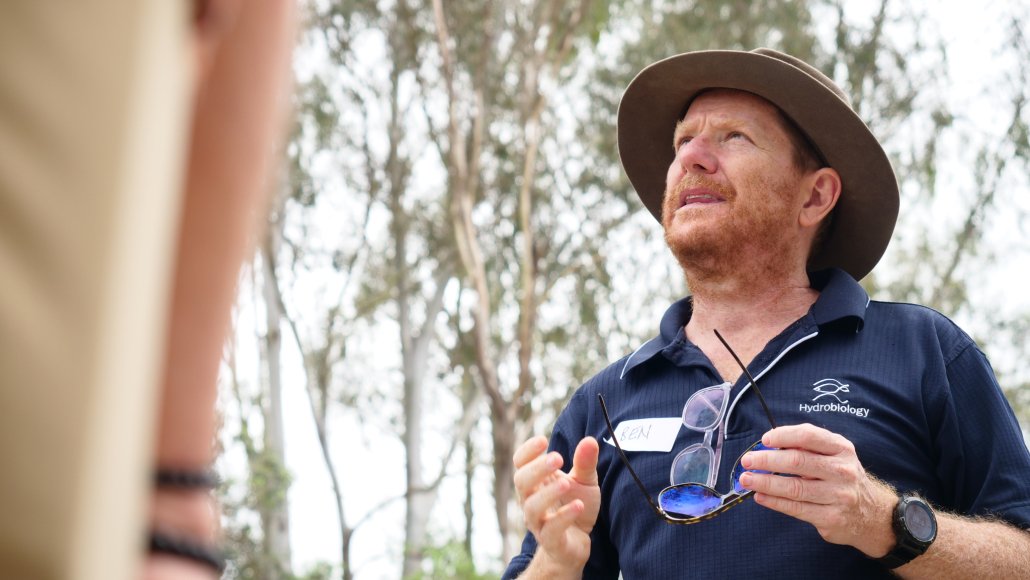
- the history of past investigations in this area is extensive and Ben Pearson was able to share his experience on a mix of investigation on gully management, contaminated land analysis and water quality monitoring. And he is but one of many who have looked at Oxley creek needs prior to this current work.
- local corridor monitoring is an ongoing learning and adaptation opportunity and selecting the best mixes of indicators is designed from the corridor performance outcomes that are being sought. Currently here, the tracking of bird populations and the mix of species has been a handy integrated measure
What next?
Both hosts Cass and Georgian are keen to keep in touch with the group, field any inquiries that interested parties have and welcome visitors in the future. In fact, I can sense, and have already had requests from others who missed event that we will come back for another visit.
This event builds off the July field trip when we visited the Bremer and Warrill Creek systems – read about that day here. We plan to continue to look at the role, management needs and benefits of riparian corridors and their waterways. They are natural assets that provide a suite flood resilience, ecosystem services along and downstream, plus their importance as local community places offering connections with the past, the spiritual and the future.
An opportunity in early 2026 is potentially a visit to Central Queensland – around the Fitzroy catchment – where protective gully and waterway management is vital for local production and biodiversity values. And this work is also a critical investment program for achieving collective benefits of water quality enhancement of runoff heading towards the Great Barrier Reef.
Acknowledgements
Being be guided by the Brisbane Sustainability Agency Team of was a unique opportunity to hear about a full range of aspects of this work – many thanks Georgina and Cass.
The beautiful photography is compliments of Michal Krawczyk who has “captured the group” as they were engaged in this field trip.
And the interest of all the participants was much appreciated and I am glad that you could join us.